Origin, Quality, Market Power, and Global Demand
Persian saffron, produced primarily in Iran, is globally recognized as the gold standard of saffron quality. Known for its deep red threads, intense aroma, and high crocin content, Persian saffron dominates international markets across culinary, wellness, pharmaceutical, and cosmetic industries.
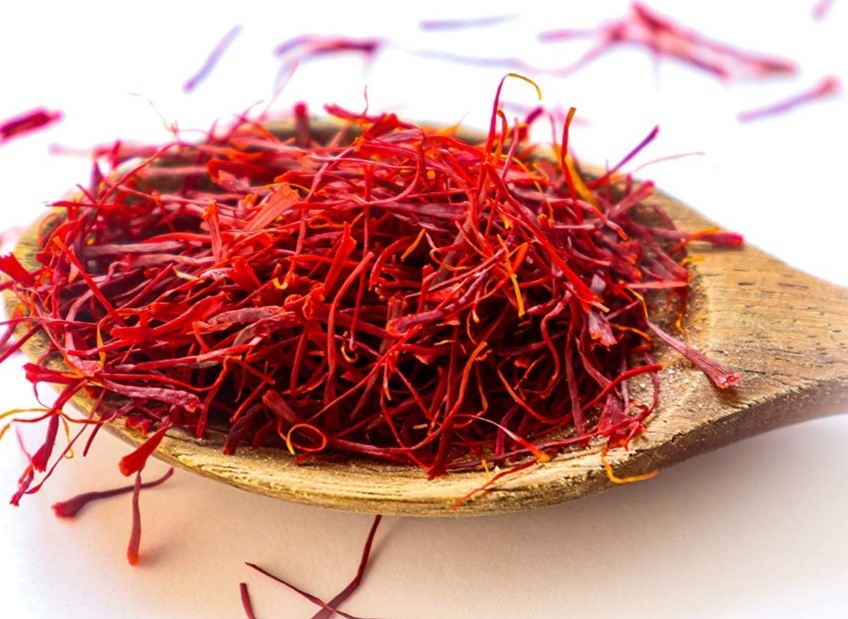
Often referred to as “red gold,” Persian saffron represents a combination of ancient agricultural heritage, scientific quality standards, and modern commercial value.
The Origin and Heritage of Saffron
Persian saffron originates from Iran, where saffron cultivation dates back over 3,000 years. The country’s climate—dry summers, cold winters, and mineral-rich soil—creates ideal conditions for growing Crocus sativus L.
Persian saffron, produced primarily in Iran, is globally recognized as the gold standard of saffron quality,Persian saffron originates from Iran, where saffron cultivation dates back over 3,000 years. Due to manual harvesting—requiring approximately 150,000 flowers to produce 1 kg of saffron—Persian saffron commands premium prices. |
According to the Food and Agriculture Organization (FAO), Iran produces more than 85–90% of the world’s saffron supply, making it the undisputed global leader.
https://www.fao.org/home/en
“Iran’s dominance in saffron production is unmatched due to its climate, expertise, and centuries-old cultivation techniques.”
— FAO Agricultural Report
Global Market Statistics for Saffron
Market Size and Growth
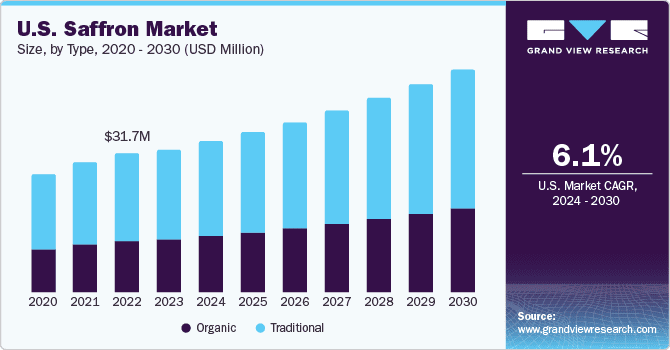
The global saffron market has exceeded USD 1 billion, with Persian saffron accounting for the largest export share.
According to Grand View Research, the saffron market is expected to grow at a CAGR of 7–9%, driven by increasing demand for premium, authentic saffron in food, wellness, and cosmetics.
https://www.grandviewresearch.com/industry-analysis/saffron-market
Key demand drivers include:
-
Rising global interest in natural wellness ingredients
-
Expansion of gourmet and luxury food markets
-
Growth of nutraceutical and botanical supplements
Why Saffron Is Considered the Best in the World
Superior Chemical Composition
Persian saffron is prized for its high concentration of key bioactive compounds:
-
Crocin – delivers intense color strength
-
Safranal – provides rich aroma
-
Picrocrocin – responsible for flavor and bitterness
Scientific analysis published on PubMed confirms that Iranian saffron often records higher crocin levels than saffron from other origins.
https://pubmed.ncbi.nlm.nih.gov/?term=iranian+saffron+crocin
ISO 3632 Quality Compliance
Most premium Persian saffron meets ISO 3632 Grade I standards, which evaluate saffron based on chemical potency rather than appearance alone.
Official ISO documentation:
https://www.iso.org/standard/44523.html
“ISO Grade I Persian saffron demonstrates exceptional color, aroma, and flavor values.”
— ISO Spice Quality Standard
Types and Grades of Saffron
Commercial Grades Used in Trade
Persian saffron is categorized into internationally recognized commercial grades:
Super Negin
-
Long, thick, fully red threads
-
Highest crocin concentration
-
Premium export grade
Negin
-
Slightly shorter stigmas
-
Strong aroma and color
-
Popular in gourmet and wellness sectors
Sargol
-
Pure red stigmas without yellow styles
-
High purity and consistency
-
Common in supplements and food manufacturing
Pushal
-
Contains some yellow style
-
More affordable
-
Suitable for large-volume culinary use
European buyers often reference these grades through Europages.
https://www.europages.com/products/saffron.html
Applications of Saffron
Culinary & Gourmet Cuisine
Persian saffron is essential in traditional dishes such as:
-
Persian rice (Tahdig)
-
Biryani
-
Paella
-
Risotto
Professional chefs prefer Persian saffron for its controlled infusion, deep color release, and complex aroma.
Wellness & Nutraceutical Industry
Persian saffron is widely used in wellness for its:
-
Mood-support benefits
-
Antioxidant properties
-
Anti-inflammatory effects
Clinical studies indexed by the National Center for Biotechnology Information (NCBI) highlight saffron’s role in emotional balance and mental well-being.
https://www.ncbi.nlm.nih.gov/pmc/articles/PMC5452224/
“Saffron extract shows strong potential as a natural mood-support agent.”
— NCBI Clinical Review
Cosmetics & Luxury Skincare
Luxury cosmetic brands incorporate saffron into:
-
Anti-aging creams
-
Brightening serums
-
Botanical oils
According to Cosmetics Europe, premium botanical ingredients such as saffron drive growth in high-end skincare.
https://cosmeticseurope.eu/
Pricing Trends of Saffron
Wholesale and Retail Prices
Due to manual harvesting—requiring approximately 150,000 flowers to produce 1 kg of saffron—Persian saffron commands premium prices.
-
Wholesale prices: USD 4,000–7,000 per kg
-
Retail prices: Often USD 8–15 per gram, depending on grade
Market pricing insights are tracked by Statista.
https://www.statista.com/statistics/1073386/global-saffron-market-size/
Factors Affecting Price
-
Grade (Super Negin, Sargol, etc.)
-
Crocin concentration
-
Harvest yield
-
Export regulations
-
Certification (ISO, Organic)
Authenticity and Adulteration Concerns
Due to its high value, saffron is one of the most adulterated spices globally. Studies published on ScienceDirect estimate that up to 30% of saffron in circulation may be adulterated.
https://www.sciencedirect.com/science/article/pii/S0308814619311180
Pure Persian saffron threads reduce this risk, especially when supported by ISO lab reports and traceability documentation.
Future Outlook for Saffron
Expanding Global Demand
Demand for saffron continues to rise in:
-
Europe
-
North America
-
East Asia
Driven by wellness trends, clean-label products, and premium food culture.
Digital Traceability & E-Commerce
Producers and exporters are increasingly using digital traceability systems to verify origin, grade, and authenticity.
According to Global Market Statistics, premium saffron segments—led by Persian saffron—are expected to outperform other origins in value growth.
https://www.globalmarketstatistics.com/market-reports/saffron-market-13478
Conclusion: Why Saffron Leads the Global Market
Persian saffron is more than a spice—it is a symbol of quality, heritage, and commercial excellence. With unmatched production scale, superior chemical composition, and strong international demand, it remains the benchmark for saffron worldwide.
For chefs, wellness brands, cosmetic manufacturers, and global buyers, saffron offers:
-
Verified authenticity
-
Premium performance
-
Strong consumer trust
-
Long-term market value
As global demand for natural, high-quality ingredients continues to grow, Persian saffron will remain the crown jewel of the saffron industry.