A Golden Flavor That Sells
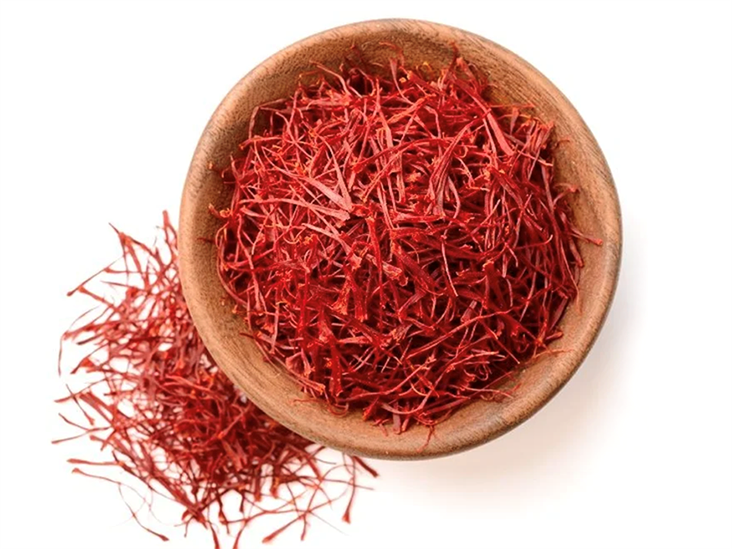
Saffron — often called “the red gold” of spices — is one of the most luxurious, exotic ingredients in the culinary world. Known for its vivid color, enticing aroma, and premium price, saffron elevates desserts from ordinary to unforgettable. This article explores how saffron enriches desserts, why chefs and food brands are embracing it, and how your business can leverage this trend for commercial success.
What Makes Saffron Unique in Desserts?
1. Flavor Profile & Sensory Impact
Saffron — often called “the red gold” of spices — is one of the most luxurious, exotic ingredients in the culinary world.While used in small quantities, saffron carries bioactive compounds such as crocin, crocein, and safranal — known for antioxidant and mood‑enhancing properties,Saffron is one of the most expensive spices in the world, often called “the red gold”. Its inclusion immediately increases perceived value, |
Unlike typical sweet spices like cinnamon or vanilla, saffron brings a multi‑layered sensory experience:
-
Earthy and floral notes, with a subtle honey sweetness.
-
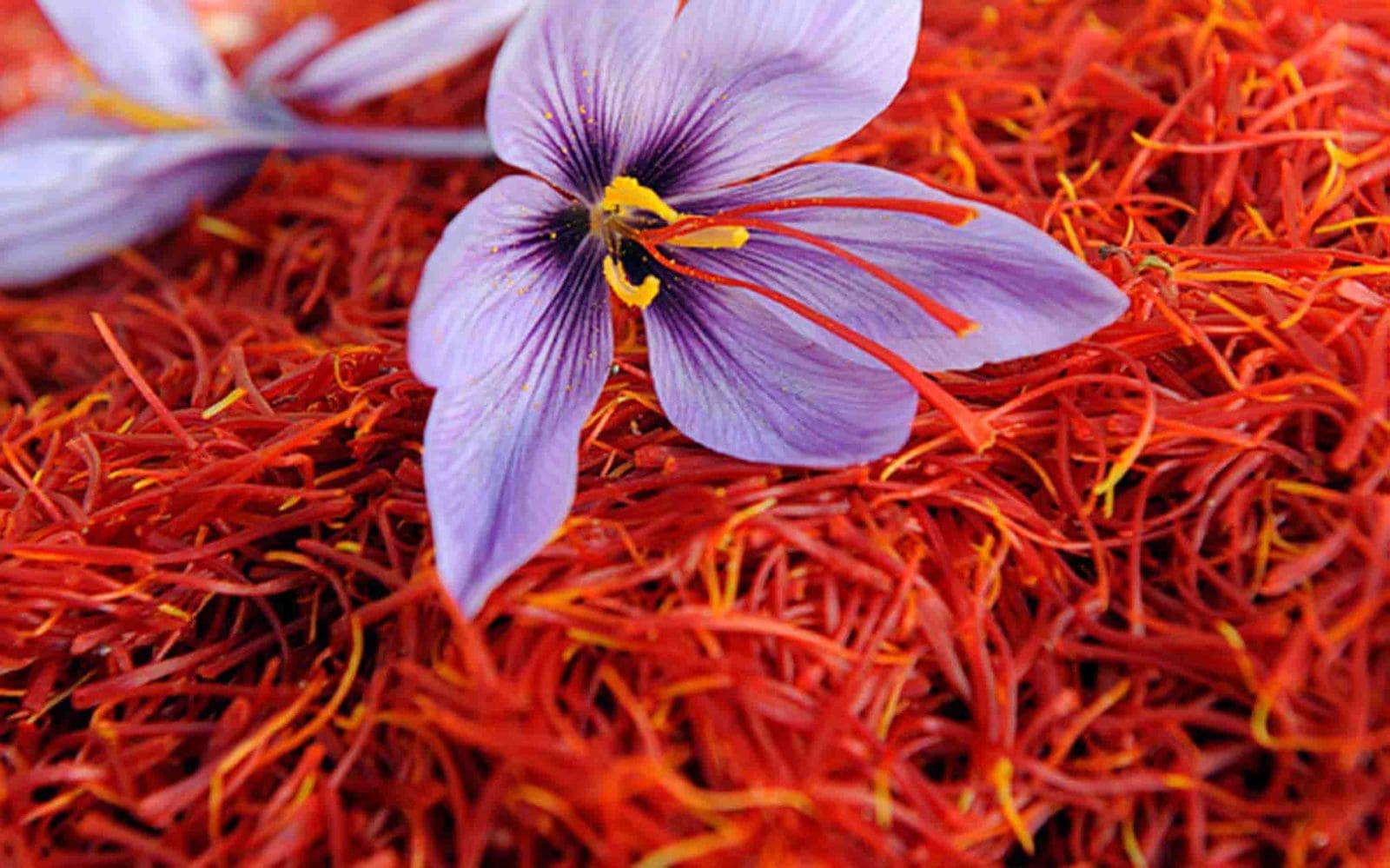
A visual signature — vibrant golden‑yellow hues that make desserts instantly Instagram‑worthy. Saffronice+1
This combination makes saffron a specialized ingredient in premium desserts.
2. Health and Wellness Appeal
While used in small quantities, saffron carries bioactive compounds such as crocin, crocein, and safranal — known for antioxidant and mood‑enhancing properties. Nutrition experts have noted saffron’s potential to support metabolism, mood, and cognitive health when added to food. Health
This positions saffron‑infused desserts not just as decadent treats, but as part of the growing functional foods trend.
Global Market: Saffron’s Commercial Momentum

According to recent market data:
-
The global saffron market is forecast to grow significantly in the coming decade, driven by culinary demand and luxury food trends. Coherent Market Insights
-
By 2025, the culinary segment, including desserts, is expected to contribute approximately 58.8% of total saffron usage worldwide. Coherent Market Insights
These numbers indicate that for food producers, bakeries, cafés, and restaurants, saffron isn’t just an ingredient — it’s a strategic differentiator.
“Saffron adds an unmatched depth of flavor and premium appeal that consumers will pay more for.” — Food Innovation Expert
Traditional Saffron Desserts (H2)
Saffron has a long heritage in desserts across Asia, the Middle East, and the Mediterranean. Number Analytics
Classic Favorites (H3)
1. Sholezard (Persian Saffron Rice Pudding)
A cultural favorite in Iran and beyond, Sholezard is rice pudding infused with saffron, rosewater, and cardamom — a dessert frequently served at celebrations. Wikipedia
2. Saffron Kulfi
This Indian frozen dessert blends milk, sugar, cardamom, pistachios, and saffron for a rich, aromatic experience. Pure Saffron
3. Persian Ice Cream (Bastani Sonnati)
A traditional Iranian ice cream combining saffron, rose water, and nuts — deeply fragrant and creamy. Pure Saffron
Modern & Fusion Uses in Desserts (H2)
Today’s chefs and pastry experts blend tradition with innovation:
Savory Meets Sweet (H3)
-
Saffron Crème Brûlée — adding delicate floral notes to classic French custard. Number Analytics
-
Saffron Cheesecake & Macarons — fusion desserts that appeal to gourmet and fashion‑forward consumers. Number Analytics
-
Saffron Cakes & Pastries — pairing saffron with almond flour or vanilla to reinvent breakfast and afternoon sweet treats. Pure Saffron
This trend reflects the broader gourmet dessert market, where experimentation and terroir‑inspired ingredients are key to standing out.
How to Use Saffron in Desserts (H2)
Best Practices (H3)
To maximize saffron’s impact:
-
Bloom the threads: Soak saffron threads in warm liquid (cream, milk, or water) before adding to your dessert — this releases maximum flavor and color. Number Analytics
-
Balance sweetness: Saffron’s notes pair best with mild sweet bases like cream, custard, or rice.
-
Keep it premium: Use whole threads rather than powders to avoid adulteration and ensure quality — saffron threads represent the highest concentration of aroma and flavor. Coherent Market Insights
Commercial Benefits of Using Saffron in Desserts (H2)
1. Premium Product Positioning (H3)
Saffron is one of the most expensive spices in the world, often called “the red gold”. Its inclusion immediately increases perceived value, allowing:
-
Higher pricing
-
Premium branding
-
Dessert menus that command attention
2. Differentiation in a Crowded Market (H3)
In competitive markets where consumers have endless choices, saffron provides a unique selling proposition (USP). Whether marketed as “Saffron‑Infused Gelato” or “Rose‑Saffron Pudding”, these desserts stand apart visually and on flavor.
3. Cultural Storytelling (H3)
Food experiences today are driven by stories and authenticity. Saffron desserts inherently tell a story — from Persian banquet tables to Indian festivals — allowing brands to connect emotionally with diners.
Quote & Insight from Experts (H2)
“Using saffron in desserts doesn’t just flavor the dish — it elevates the entire gastronomic experience. Diners recognize quality and are willing to pay for it.”
— Culinary Consultant and Trend Analyst
This insight is backed by saffron’s rising popularity in fine dining and specialty dessert menus worldwide.
Resources for Further Reading (H2)
-
Saffron in Mediterranean & Middle Eastern Cuisine — cultural background and dessert uses. Saffronice
-
Ultimate Guide to Saffron in Desserts — modern applications and technique tips. Number Analytics
-
Global Saffron Market Report — data on culinary demand and market share. Coherent Market Insights
These resources can help food brands, chefs, and marketers strategize product development and validate saffron’s commercial relevance.
Final Thoughts: Why Saffron Is a Dessert Game Changer (H2)
Saffron’s combination of rich flavor, visual appeal, cultural heritage, and market value makes it an exceptional ingredient in the sweet world. For businesses — from dessert shops to high‑end bakeries — integrating saffron into product lines is not just about flavor, but about branding, pricing strategy, and customer experience.
In a dessert landscape that increasingly values authenticity, uniqueness, and sensory richness, saffron stands unmatched.