The Precious Thread Behind the World’s Most Valuable Spice
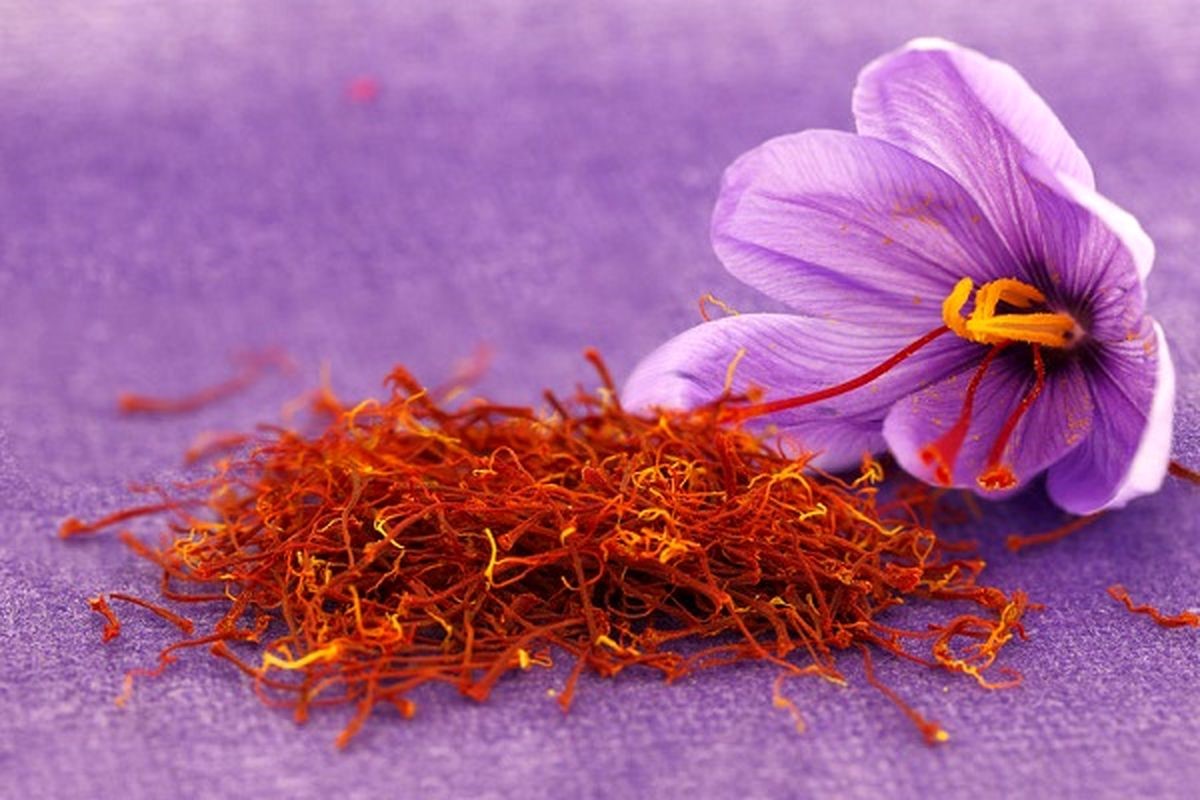
Saffron stigma represents the most valuable and powerful part of the saffron flower. Farmers harvest these delicate red threads from the Crocus sativus plant, and they form the core of premium saffron products worldwide. Because each flower produces only three stigmas, growers must carefully cultivate, harvest, and process them by hand. As a result, saffron stigma commands exceptionally high market prices.
Today, global industries value saffron stigma for its culinary excellence, medicinal benefits, and cosmetic applications. Therefore, understanding its quality, processing, and commercial potential remains essential for producers, exporters, and buyers.
What Is a Saffron Stigma?
The Most Valuable Part of the Flower
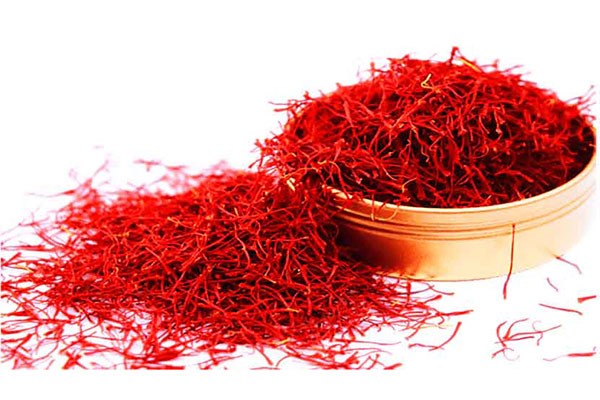
The saffron stigma consists of the thin, crimson threads located inside the purple saffron flower. Farmers remove these threads manually during harvest to protect their structure and potency. Because of their fragile nature, workers must handle them with precision and care.
Moreover, the stigma contains the key compounds that give saffron its signature characteristics. These compounds include crocin for color, safranal for aroma, and picrocrocin for flavor. Consequently, the stigma determines saffron’s quality grade and overall market value.
Why Quality Matters
High-quality saffron stigma features deep red coloring, strong aroma, and intact thread length. Buyers across international markets actively seek pure red stigmas without yellow or orange parts attached. Therefore, strict quality control directly influences pricing and export potential.
In addition, proper drying techniques preserve chemical composition and maximize shelf life. Producers who invest in advanced drying and storage methods consistently achieve higher commercial returns.
Harvesting and Processing of Saffron Stigma
Manual Harvesting for Premium Results
Farmers harvest saffron flowers early in the morning during the short autumn blooming season. They immediately separate the stigmas by hand to maintain freshness. Because the flowering period lasts only a few weeks, harvesting requires careful planning and skilled labor.
This labor-intensive process significantly increases production costs. However, it also ensures exceptional quality when executed properly.
Drying and Preservation Techniques
After separation, growers dry the stigmas under controlled temperatures. Proper drying enhances aroma, intensifies color, and prevents moisture damage. Therefore, temperature control plays a crucial role in maintaining premium-grade saffron stigma.
Once dried, producers store the stigmas in airtight, light-resistant packaging. This step protects potency and ensures long-term freshness for export markets.
Commercial Importance of Stigma
Strong Global Demand
Saffron stigma enjoys high demand in the culinary, pharmaceutical, and cosmetic industries. Chefs use it to enhance flavor and color in luxury dishes. Meanwhile, health brands incorporate it into supplements due to its antioxidant properties. Additionally, skincare manufacturers value stigma for its natural brightening benefits.
As global interest in natural ingredients continues to grow, stigma maintains a strong position in high-value markets.
Profit Potential for Growers and Exporters
Although production requires precision and labor, stigma offers impressive profit margins. Farmers who focus on purity, grading standards, and branding gain a competitive edge. Furthermore, organic certification and transparent sourcing increase trust among international buyers.
With strategic marketing and strong quality assurance, businesses can build long-term success in the premium spice sector.
Conclusion
Saffron stigma stands at the heart of the world’s most expensive spice. Its vibrant color, powerful aroma, and health benefits drive consistent global demand. Because production requires skill, care, and quality control, premium saffron stigma continues to command high prices in international markets.
For growers, exporters, and investors, stigma represents not only a valuable agricultural product but also a strong commercial opportunity in the expanding global spice industry.