The Unique Taste That Defines the World’s Most Precious Spice
Saffron flavor stands apart from every other spice in the culinary world. Chefs, food manufacturers, and gourmet brands value saffron not only for its vibrant color but also for its complex and unforgettable taste. Because consumers increasingly seek premium and authentic ingredients, saffron flavor continues to drive strong demand in global markets.
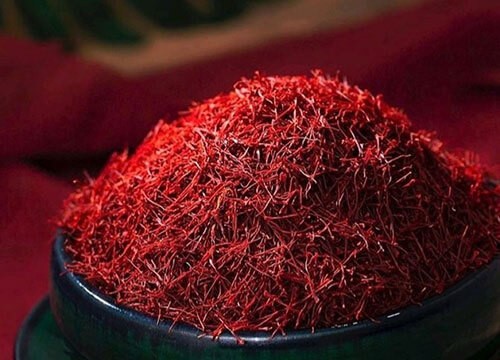
Derived from the delicate red stigmas of the Crocus sativus flower, saffron delivers a distinctive balance of floral sweetness, earthy depth, and subtle bitterness. Therefore, businesses that use high-quality saffron can elevate both product quality and brand perception.
What Makes Saffron So Unique?
A Complex Balance of Taste and Aroma
First and foremost, saffron flavor offers a layered sensory experience. It combines a slightly sweet floral note with warm, earthy undertones. At the same time, it carries a mild bitterness that enhances savory dishes without overpowering them.
Three natural compounds create this signature profile. Crocin provides vibrant color, safranal delivers aroma, and picrocrocin contributes to the characteristic taste. Consequently, the quality and concentration of these compounds directly influence flavor intensity.
Moreover, authentic saffron releases its flavor gradually during cooking. As a result, chefs often soak saffron threads in warm water or milk before adding them to dishes. This technique maximizes flavor extraction and ensures even distribution.
Why Quality Impacts Flavor
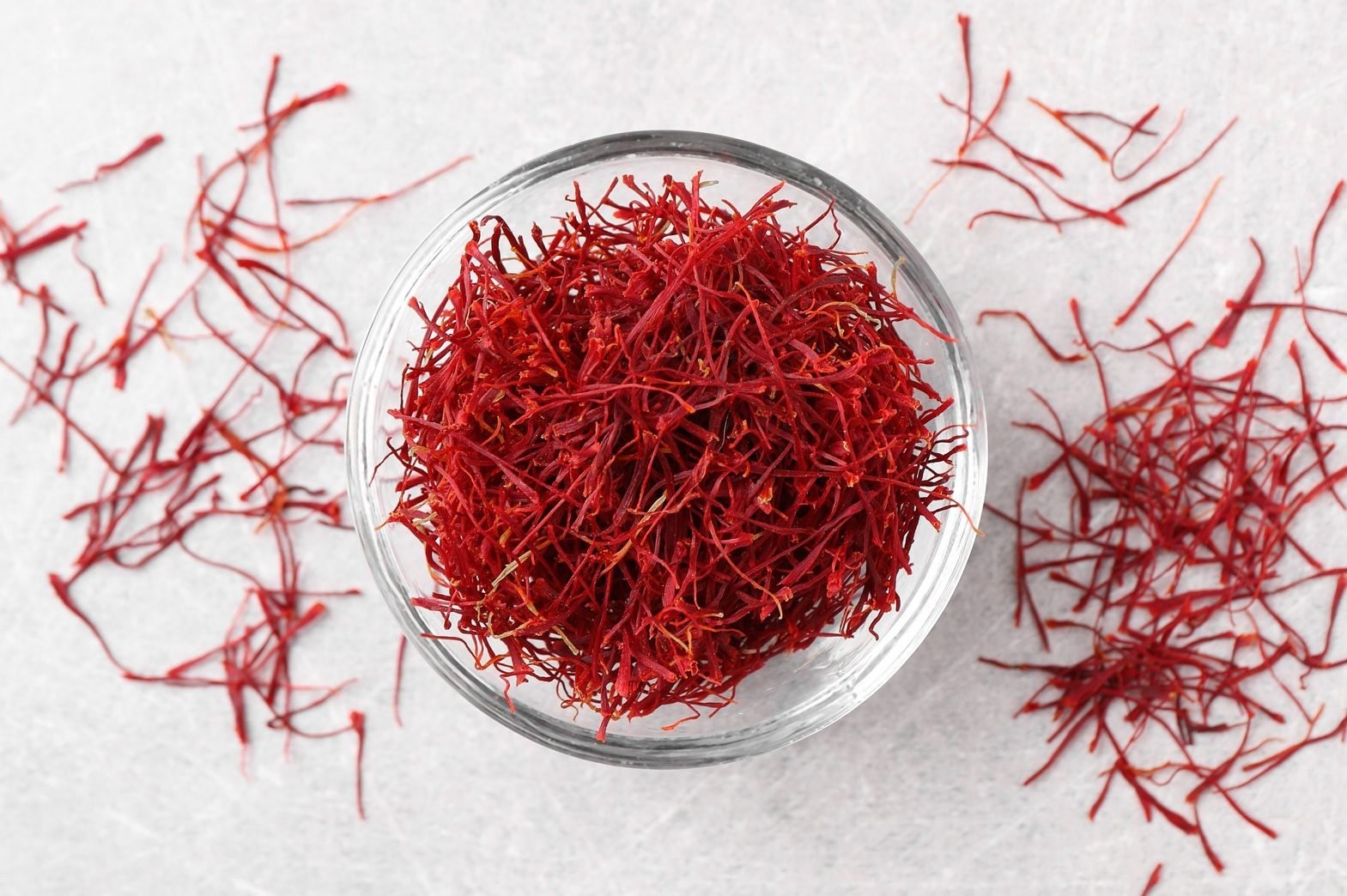
Not all saffron delivers the same taste. Premium-grade saffron contains deep red threads with high crocin and safranal levels. Therefore, buyers who prioritize quality enjoy stronger aroma and richer flavor.
In contrast, lower-grade saffron often includes yellow or orange parts of the stigma, which dilute taste and reduce potency. For this reason, professional sourcing and strict quality control play a crucial role in achieving consistent saffron flavor.
Culinary Applications of Saffron
Enhancing Gourmet Dishes
Saffron flavor transforms simple ingredients into luxurious culinary experiences. For example, chefs use it in risotto, paella, biryani, and seafood dishes to create warmth and depth. Additionally, pastry chefs incorporate saffron into desserts, ice cream, and baked goods for a refined floral touch.
Because saffron flavor pairs well with rice, dairy, and delicate proteins, it remains highly versatile. Consequently, both traditional and modern cuisines continue to feature this exceptional spice.
Growing Demand in Food Manufacturing
Beyond restaurants, food manufacturers increasingly use saffron flavor in ready-to-eat meals, specialty beverages, and premium sauces. Consumers associate saffron with authenticity and luxury, which strengthens product positioning.
Furthermore, natural ingredient trends encourage brands to replace artificial flavorings with genuine spices. As a result, saffron flavor offers both marketing value and superior taste performance.
Commercial Value of Saffron
Premium Positioning and Brand Differentiation
Saffron instantly elevates a product’s image. Because it remains one of the most expensive spices globally, its inclusion signals exclusivity and high quality. Therefore, brands that highlight real saffron flavor often attract discerning customers willing to pay premium prices.
Long-Term Market Potential
Global demand for authentic and natural flavors continues to grow. Meanwhile, consumers explore international cuisines that traditionally rely on saffron. Consequently, saffron maintains strong commercial potential across diverse markets.
Conclusion
Saffron flavor represents more than just taste—it symbolizes quality, tradition, and luxury. Its floral aroma, earthy depth, and vibrant color create an unmatched culinary experience. Because premium ingredients drive modern consumer choices, saffron flavor continues to hold a powerful position in both gourmet kitchens and commercial food production.
Businesses that invest in authentic, high-grade saffron can deliver superior while strengthening their market presence in the competitive global spice industry.