Cultivating Gold: The Art and Science of Growing and Harvesting Saffron Crocus


Growing and Harvesting Saffron Crocus (Crocus sativus L.)
Saffron crocus is a unique perennial plant cultivated for its valuable red stigmas, which are dried to produce saffron spice. It is grown from corms and requires careful cultivation, harvesting, and processing to achieve premium-quality saffron.
1. Climate Requirements
Saffron crocus grows best in regions with:
- Hot, dry summers
- Cold winters
- Low humidity during dormancy
- Full sunlight exposure
Ideal conditions:
- Summer temperature: warm and dry
- Winter temperature: can tolerate frost
- Annual rainfall: approximately 300–500 mm
Major saffron-growing regions include Iran, Kashmir, Spain, Afghanistan, Greece, and Morocco.
2. Soil Preparation
Saffron requires well-drained soil because excess moisture can damage corms.
Ideal Soil:
| Property | Requirement |
|---|---|
| Soil type | Sandy loam or light loam |
| pH | 6.0–8.0 |
| Drainage | Excellent |
| Organic matter | High |
Before planting:
- Deep plow the soil (25–30 cm)
- Remove weeds and stones
- Add well-rotted manure or compost
- Prepare raised beds if drainage is poor
3. Planting Saffron Corms
Saffron is propagated through corms, not seeds.
Best Planting Time:
- June to September (Northern Hemisphere)
- July–August is common in Iran
Planting Recommendations:
| Parameter | Recommendation |
|---|---|
| Corm size | Large, healthy corms (3–5 cm+) |
| Depth | 10–15 cm |
| Spacing | 10–15 cm between corms |
| Row spacing | 20–30 cm |
Large corms produce more flowers and higher saffron yield.
4. Crop Management
Irrigation
Saffron requires limited water.
Important irrigation periods:
- After planting (if soil is dry)
- Before flowering
- After flowering to support corm growth
Avoid:
- Waterlogging
- Excess irrigation during summer dormancy
Fertilization
Recommended:
- Organic manure before planting
- Balanced fertilizers according to soil analysis
Avoid excessive nitrogen, which promotes leaves instead of flowers.
Weed Control
Regular removal of weeds is important because weeds compete for nutrients and reduce yield.
5. Flowering Period
Saffron flowers appear in autumn:
- Usually October–November
- Flowering period: about 2–3 weeks
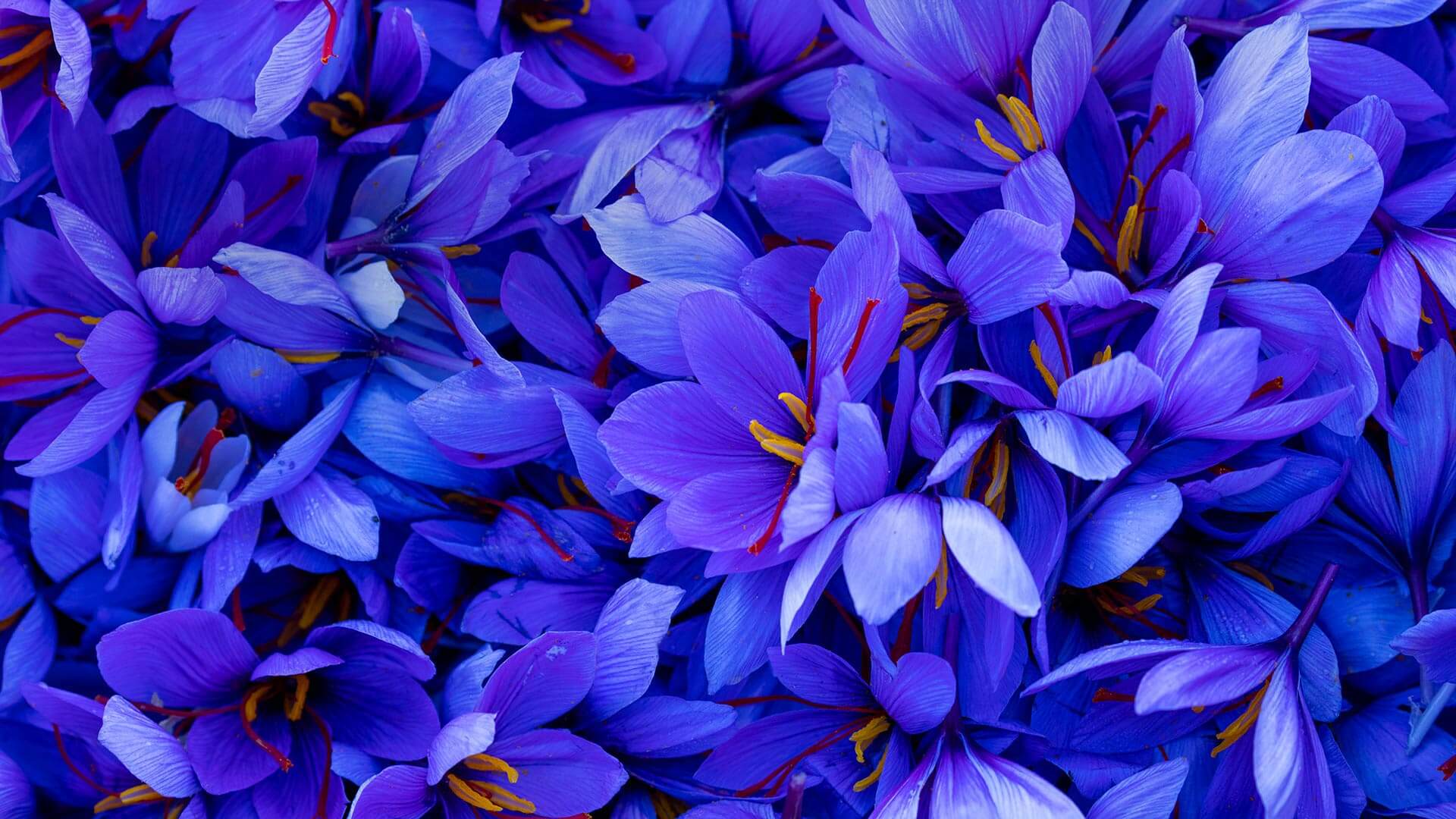
Each flower contains:
- 6 purple petals
- 3 yellow stamens
- 3 red stigmas (the saffron spice)
6. Saffron Harvesting Process
Harvesting is done entirely by hand.
Step 1: Picking Flowers
- Flowers are collected early in the morning.
- Picking before full opening helps protect quality.
- Workers carefully place flowers in shallow baskets.
Step 2: Separating Stigmas
- Each flower is opened manually.
- The three red stigmas are removed.
- Yellow stamens and unwanted parts are discarded.
Step 3: Drying the Stigmas
Proper drying preserves:
- Color strength (crocin)
- Aroma (safranal)
- Flavor (picrocrocin)
Common methods:
- Controlled dryers
- Low-temperature drying
- Traditional drying methods
7. Yield and Production
Approximate figures:
| Item | Value |
|---|---|
| Flowers needed for 1 kg dried saffron | 150,000–200,000 flowers |
| Stigmas per flower | 3 |
| Productive field life | 4–7 years (depending on management) |
8. Harvest Timing and Quality
Premium saffron requires:
✅ Harvesting flowers at the correct maturity stage
✅ Rapid stigma separation after picking
✅ Controlled drying temperature
✅ Clean handling and storage
Late harvesting or poor drying can reduce color and aroma quality.
9. Storage After Harvest
For maintaining premium quality:
- Use airtight containers
- Protect from sunlight
- Avoid moisture
- Store in a cool, dry place
Conclusion
Growing Crocus sativus requires a suitable climate, healthy corms, good soil drainage, and careful manual harvesting. Although saffron cultivation is labor-intensive, proper farming and post-harvest handling can produce premium grades such as Iranian Super Negin, Negin, and Sargol saffron, which are highly valued in global markets.
Saffron Crocus Unveiled: A Guide to Cultivating the World’s Most Valuable Spice
Embark on a journey into the intricate world of saffron cultivation, where the delicate saffron crocus transforms ordinary fields into a canvas of vibrant purple and gold. Learn the art and science behind growing and harvesting the precious spice that has enchanted cultures for centuries.
Understanding Saffron Crocus: From Bulb to Blossom
1. Choosing the Right Bulbs: The Foundation of a Bountiful Harvest
Explore the crucial step of selecting the right saffron crocus bulbs for a successful cultivation process. Understand the factors that contribute to bulb quality and how this decision sets the stage for a bountiful harvest.
2. Planting Techniques: Nurturing the Saffron Crocus Journey
Delve into the intricacies of planting saffron crocus bulbs, uncovering the optimal techniques to nurture their growth. Learn about soil conditions, spacing, and environmental considerations that play a pivotal role in the cultivation process.
Blooming Beginnings: The Art of Selecting Quality Saffron Crocus Bulbs
Witness the blooming beginnings as we unravel the art of selecting quality saffron crocus bulbs, setting the foundation for a vibrant and thriving harvest.
The Growth Cycle: Patience and Precision in Saffron Farming
1. Emergence of Shoots: Navigating the Early Stages of Growth
Explore the emergence of saffron crocus shoots and the delicate early stages of growth. Understand the factors influencing shoot development and the importance of patience in the initial phases of saffron farming.
2. Leaf Development: Nurturing the Foliage for Robust Saffron Crocus Plants
Delve into the crucial stage of leaf development, where the saffron crocus plants establish robust foliage. Learn the techniques for nurturing healthy leaves, essential for the subsequent blossoming and harvesting stages.
Navigating Growth: From Shoots to Robust Foliage
Navigate the growth cycle of saffron crocus, from the emergence of shoots to the development of robust foliage. Gain insights into the care and precision required during these critical stages.
Blossoming Beauty: The Spectacle of Saffron Flowers
1. Blossom Unveiled: The Artistry of Saffron Crocus Flowers
Witness the mesmerizing spectacle as saffron crocus flowers unfurl their delicate petals. Explore the artistry of these blossoms and the unique characteristics that make them the source of the world’s most valuable spice.
2. Caring for Blooms: Maximizing Saffron Production Per Flower
Delve into the techniques for caring for saffron crocus blooms to maximize saffron production per flower. Learn about optimal harvesting times and the delicate process of hand-picking each precious strand of saffron.
Blooming Splendor: The Artistry of Saffron Crocus Flowers Unveiled
Experience the blooming splendor as we unveil the artistry of saffron crocus flowers, highlighting their unique features and the meticulous care they require for optimal saffron production.
Harvesting Gold: The Precision of Hand-Picking Saffron
1. Hand-Picking Techniques: Preserving the Purity of Saffron Strands
Delve into the precision of hand-picking saffron strands, preserving their purity and ensuring a high-quality harvest. Explore the techniques employed by saffron farmers to delicately pluck each crimson thread.
2. Post-Harvest Handling: From Field to Drying Room
Follow the journey of saffron from the field to the drying room, understanding the crucial post-harvest handling steps. Explore techniques for drying and processing saffron strands to maintain their flavor, aroma, and vibrant color.
Hand-Picking Precision: Preserving the Essence of Saffron Strands
Uncover the hand-picking precision that goes into preserving the essence of saffron strands, ensuring a harvest of unmatched quality and purity.
The Culmination: From Field to Spice Jar
In conclusion, witness the culmination of the saffron crocus journey, from the careful selection of bulbs to the precision of hand-picking saffron strands. The art and science of growing and harvesting saffron crocus culminate in the creation of the world’s most valuable spice. Explore the journey from field to spice jar, where the vibrant essence of saffron is preserved for culinary delights and cultural enrichment.
Saffron is a delicious and colorful seasoning that is used in breads, desserts, and main dishes in many parts of the world, especially in Iran. Growing and harvesting saffron crocus.
Without it, an Indian curry or Spanish paella just wouldn’t be the same.
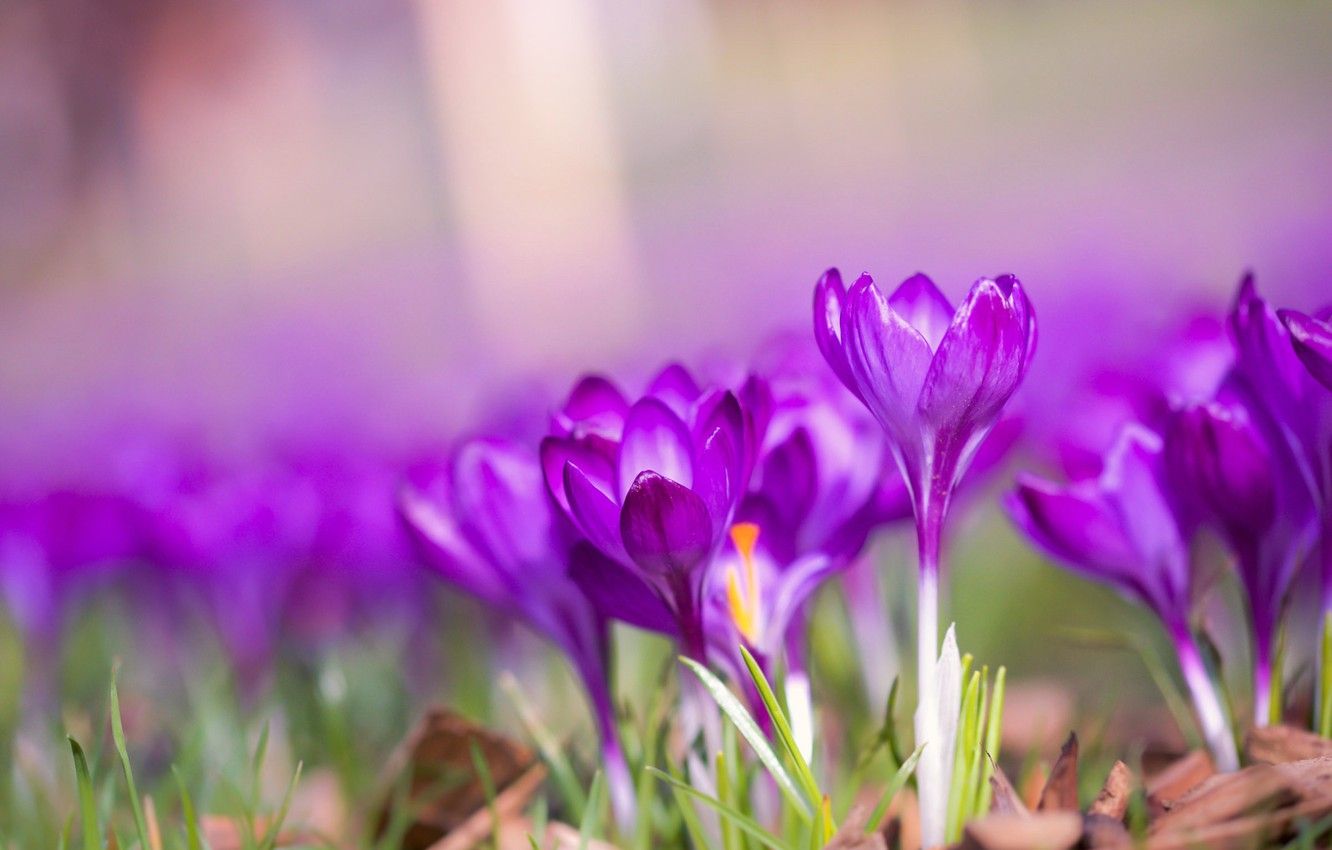
The bright red-orange threads you get when you buy saffron are the stigmas, or female portion, of the Saffron Crocus flowers.
It takes hundreds of flowers to produce a commercially useful amount, which explains why saffron is so expensive.
For the home gardener, however, two dozen Saffron Crocus will supply enough of the precious spice in the first year for a few memorable dishes.
Then, with each successive year, the corms will multiply, the size of the planting will increase, and you’ll be able to harvest more of the spicy stigmas.
After 4 to 6 years, you should divide and replant the corms. Division prevents overcrowding, which can lead to a decrease in flowering.
https://saffronexporter.com/will-saffron-grow-in-florida/721/