Step-by-Step Guide to Growing a High-Value Crop
Saffron stands as the world’s most valuable spice, and farmers across the globe recognize its strong profit potential. Growers harvest saffron from the delicate red stigmas of the Crocus sativus flower. Because global demand continues to increase in the food, cosmetic, and pharmaceutical industries, many agricultural entrepreneurs now explore saffron cultivation as a premium farming opportunity.Saffron Cultivation Process
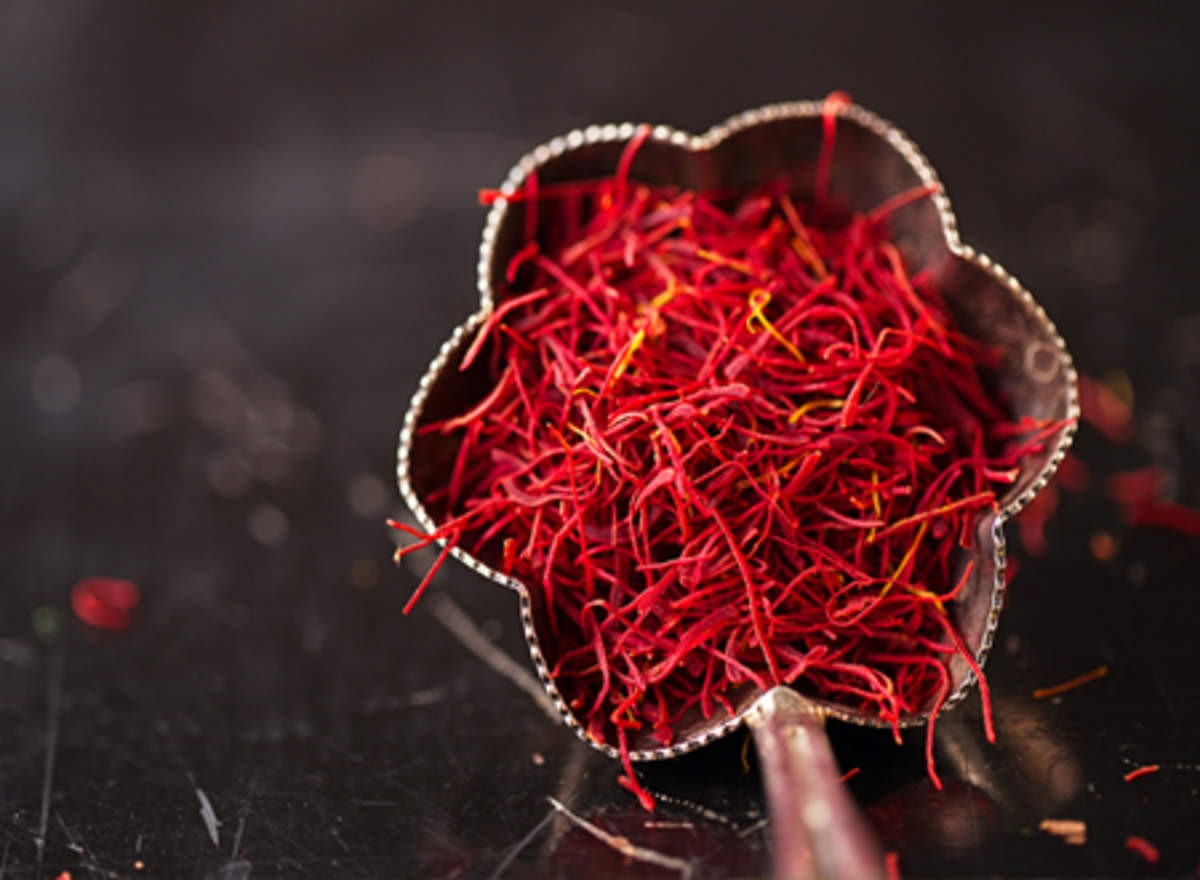
If you want to enter this lucrative market, you must understand each stage of the saffron cultivation process and execute it with precision.
Climate and Soil Requirements for Successful Saffron Farming
Choosing the Right Climate
First and foremost, saffron thrives in regions with hot, dry summers and cold winters. The plant needs a summer dormancy period to regenerate energy for flowering. Therefore, farmers should select locations with Mediterranean-type climates or similar seasonal patterns.
Excess humidity or heavy rainfall can damage the crop. For this reason, many successful growers choose slightly elevated land with good air circulation.
Preparing Ideal Soil Conditions
In addition, saffron performs best in well-drained sandy or loamy soil with a pH between 6 and 8. Good drainage prevents bulb rot and fungal infections. Consequently, farmers often prepare raised beds to improve water flow.
Before planting, growers enrich the soil with organic compost to boost nutrient levels. Healthy soil directly supports stronger flowering and higher yields.
Step-by-Step Saffron Cultivation Process
1. Selecting and Planting Quality Corms
The saffron plant grows from underground bulbs known as corms. Farmers must select large, disease-free corms to ensure strong flower production. High-quality planting material increases both yield and long-term productivity.
Growers usually plant corms in late summer. They place them 10–15 cm deep and space them properly to promote root expansion. Proper spacing also improves airflow and reduces disease risk.
2. Irrigation and Crop Management
Although saffron tolerates dry conditions, farmers apply light irrigation after planting to stimulate root growth. However, they avoid overwatering because excess moisture can damage the corms.
Meanwhile, growers remove weeds regularly to protect nutrients and sunlight access. Many farmers prefer manual weeding to protect delicate shoots. As a result, careful field management leads to healthier plants and better flowering.
3. Harvesting the Flowers
Saffron flowers bloom for only two to three weeks in autumn. During this short window, farmers harvest flowers early in the morning while they remain closed. Quick harvesting protects the stigmas and preserves quality.
Workers then separate the three red stigmas from each flower by hand. This labor-intensive process explains why saffron commands a premium price worldwide.
4. Drying and Quality Control
After harvesting, growers dry the stigmas immediately to preserve color, aroma, and flavor. They control temperature carefully during drying to maintain top-grade quality. Proper processing directly increases market value.
Finally, producers store saffron in airtight containers away from light and moisture. Careful packaging protects product strength and shelf life.
Commercial Benefits of Saffron Cultivation
Strong Global Demand
Saffron enjoys strong demand in international markets. Chefs, herbal medicine producers, and cosmetic brands actively seek high-quality saffron. Therefore, farmers who focus on grading, certification, and branding gain competitive advantages.
Long-Term Profit Potential
Saffron fields can produce for several years when farmers manage them correctly. With strategic planning and proper soil care, growers can build a sustainable and highly profitable agribusiness.
Conclusion
The saffron cultivation process requires attention to detail, careful timing, and consistent management. However, farmers who master climate selection, soil preparation, harvesting, and drying can produce premium-quality saffron. As global demand continues to rise, saffron farming offers a powerful commercial opportunity for ambitious growers.