
Opportunities for Global Trade
Why the Saffron Export Market is Growing
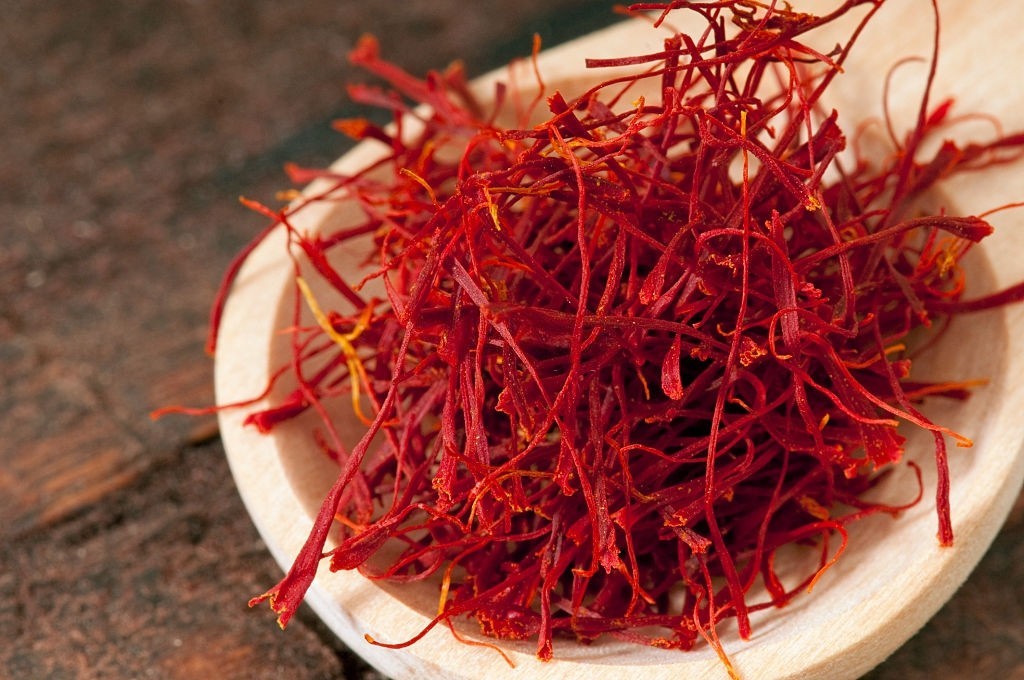
Saffron is one of the world’s most valuable spices. Moreover, its unique aroma, color, and medicinal properties make it highly sought after in global markets. In fact, countries in Europe, North America, and Asia rely heavily on saffron imports from major producers like Iran. Additionally, rising demand in luxury culinary products, herbal medicine, and cosmetics continues to drive export growth.
Key Trends in the Saffron Export Market
1. Increasing Global Demand
The global saffron market is expanding rapidly. Therefore, exporters can capitalize on rising consumer interest in premium spices. Furthermore, health-conscious consumers and gourmet chefs prefer high-quality saffron, boosting demand for authentic products.
2. Premium Pricing and Profit Potential
High-quality saffron commands premium prices per gram. As a result, exporting saffron can yield significant profits even from small volumes. In addition, certified and traceable saffron attracts international buyers willing to pay more for quality and authenticity.
3. Emerging Markets
While traditional markets like Europe and the Middle East remain strong, new markets in Asia and North America are growing. Consequently, exporters have opportunities to diversify and expand their reach. Moreover, e-commerce platforms and online B2B marketplaces facilitate access to these emerging buyers.
How to Succeed in the Saffron Export Market
1. Source Premium Quality Saffron
Exporters must ensure the saffron meets international quality standards. By sourcing from trusted farmers and suppliers, businesses can deliver consistent color, aroma, and flavor. Thus, maintaining quality strengthens brand reputation and buyer trust.
2. Proper Packaging and Certification
Export markets require proper packaging to preserve saffron’s freshness and potency. In addition, certifications like ISO, organic, or fair-trade improve marketability and compliance. Therefore, investing in professional packaging and documentation increases export success.
3. Build Strong Trade Networks
Networking with distributors, wholesalers, and retailers in target countries is crucial. Meanwhile, attending international trade shows and B2B events helps exporters connect with reliable buyers. In fact, strong trade relationships ensure steady demand and long-term contracts.
4. Marketing and Branding
Effective branding highlights the quality, origin, and authenticity of saffron. As a result, buyers recognize value and are willing to pay premium prices. Moreover, digital marketing strategies, such as social media and e-commerce platforms, expand global visibility.
Challenges in the Saffron Export Market
Exporting saffron comes with challenges like competition, fluctuating prices, and quality control. Therefore, businesses must implement strict quality checks, maintain sustainable supply chains, and adapt to market trends. Consequently, proactive management mitigates risks and ensures profitable operations.
Conclusion: Opportunities for Exporters
Ultimately, the saffron export market offers lucrative opportunities for businesses worldwide. By focusing on premium quality, strategic marketing, and strong trade networks, exporters can maximize profits and grow their international presence. Thus, entering the global saffron market today can secure long-term success and high returns.