A Complete Commercial Guide to Quality, Standards, and Market Value
Saffron, often called “red gold,” is the world’s most expensive spice. Its value depends heavily on grading, a standardized system that measures quality, purity, and potency. For buyers, importers, chefs, and pharmaceutical companies, understanding the saffron grading system is essential to avoid adulteration and ensure maximum return on investment.
According to global agricultural statistics, more than 90% of the world’s saffron is produced in Iran, followed by Spain, India (Kashmir), Afghanistan, and Greece. Yet, market prices can vary from $1,000 to over $10,000 per kilogram, largely due to differences in grade and chemical composition.
The saffron grading system is more than a quality label—it is a commercial language understood by global markets. Whether you are a producer, wholesaler, or end-buyer, understanding grading protects your investment and ensures consistent quality. |
As a saffron exporter once stated:
“Two saffron samples may look similar, but their grading can mean a five-fold difference in value.”
What Is a Saffron Grading System?
The saffron grading system is a set of international and regional standards used to classify saffron based on:
-
Color strength (crocin content)
-
Aroma (safranal level)
-
Flavor (picrocrocin concentration)
-
Moisture content
-
Purity and filament integrity
These factors directly influence culinary performance, medicinal efficacy, and market price.
International Standards for Saffron Grading (ISO 3632)
ISO 3632: The Global Benchmark
The most widely recognized standard is ISO 3632, developed by the International Organization for Standardization. It classifies saffron into four quality categories based on laboratory analysis.
Key ISO 3632 Parameters
| Parameter | Measurement Purpose |
|---|---|
| Crocin | Coloring strength |
| Picrocrocin | Taste intensity |
| Safranal | Aroma profile |
| Moisture | Shelf life & safety |
According to ISO documentation:
“Coloring strength is the most decisive parameter for commercial saffron grading.”
ISO 3632 Saffron Grades Explained
Grade I (Premium / Superior Saffron)
-
Crocin ≥ 200
-
Deep crimson red stigmas
-
Strong aroma and bitter-sweet taste
-
Used in luxury cuisine, pharmaceuticals, and cosmetics
This grade commands the highest market price and is often marketed as organic, hand-picked saffron.
Grade II (High Quality)
-
Crocin between 170–199
-
Slightly lighter color
-
Suitable for restaurants and food manufacturers
Grade III (Commercial Grade)
-
Crocin between 120–169
-
Weaker aroma and color
-
Common in mass-market spice blends
Grade IV (Low Quality)
-
Crocin below 120
-
Often contains yellow styles
-
Limited culinary or medicinal use
Regional Saffron Grading Systems
Iranian Saffron Grading
Iran uses traditional classifications based on filament cut and color:
Sargol Saffron
-
Pure red stigmas
-
No yellow style
-
Highest coloring strength
-
Equivalent to ISO Grade I
Pushal Saffron
-
Red stigmas with some yellow style
-
Lower crocin content
-
More affordable commercial option
Negin Saffron
-
Long, thick, unbroken stigmas
-
Premium export grade
-
Highly demanded in Europe and Asia
Spanish Saffron Classification
Spain focuses on Protected Designation of Origin (PDO), especially La Mancha saffron.
-
Strict traceability
-
Controlled drying process
-
Renowned for balanced aroma
European importers often pay 20–30% more for PDO-certified saffron.
Kashmiri (Indian) Saffron Grading
Kashmir saffron is known for:
-
High safranal (aroma)
-
Dark maroon color
-
Moisture-rich stigmas
However, due to climate challenges, production volumes are limited, increasing scarcity and price.
Chemical Analysis in Saffron Grading
Why Lab Testing Matters
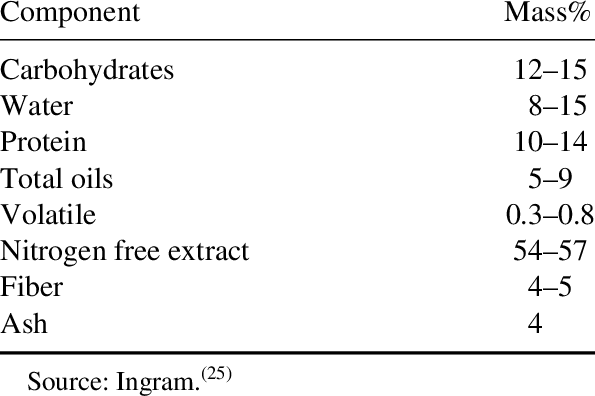
Visual inspection alone is not enough. Professional grading relies on UV-Vis spectrophotometry, which measures absorbance at:
-
440 nm (crocin)
-
257 nm (picrocrocin)
-
330 nm (safranal)
According to food science research:
“Chemical profiling is the only reliable method to detect adulteration and confirm saffron grade.”
Commercial Importance of Saffron Grading
Impact on Pricing
High-grade saffron can sell for 3–6 times more than lower grades. Buyers in:
-
Gourmet food
-
Nutraceuticals
-
Traditional medicine
-
Luxury cosmetics
require certified grading reports before purchase.
Export and Import Compliance
Many countries require:
-
ISO 3632 certification
-
Phytosanitary certificates
-
Moisture and purity analysis
Failure to meet grading standards can result in shipment rejection.
Common Adulteration Issues and Grading Protection
Lower-grade saffron is often mixed with:
-
Dyed corn silk
-
Safflower petals
-
Turmeric fibers
A proper grading system protects buyers and preserves brand trust.
Trusted Resources for Saffron Grading and Certification
-
International Organization for Standardization (ISO)
-
FAO – Food and Agriculture Organization
-
European Spice Association
-
National Food Safety Laboratories
-
Accredited ISO 17025 Testing Centers
These organizations provide guidelines, testing protocols, and export compliance support.
Final Thoughts: Why Saffron Grading Determines Success
The saffron grading system is more than a quality label—it is a commercial language understood by global markets. Whether you are a producer, wholesaler, or end-buyer, understanding grading protects your investment and ensures consistent quality.
As one international spice trader summarizes:
“In saffron, grading is not optional—it is the foundation of trust, pricing, and global trade.”