How to Choose Premium Quality Saffron
Saffron is one of the most expensive and luxurious spices in the world. Whether you are a chef, retailer, cosmetic brand, or health-conscious consumer, choosing high-quality saffron ensures maximum flavor, aroma, and health benefits. Since global demand for saffron continues to grow, it is essential to understand what to look for before making a purchase. Therefore, this saffron buying guide will help you identify premium products and make informed decisions. Saffron Buying Guide: How to Choose High-Quality Saffron.
Types and Grades of Saffron
Red Stigmas vs. Yellow Styles
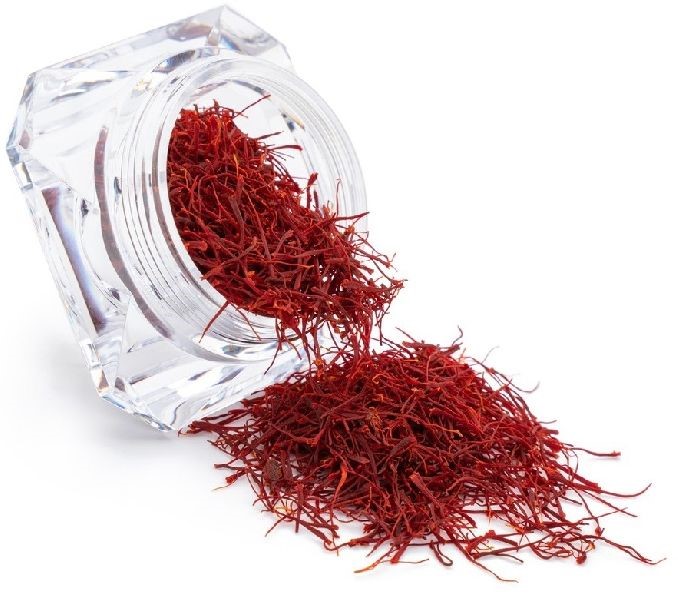
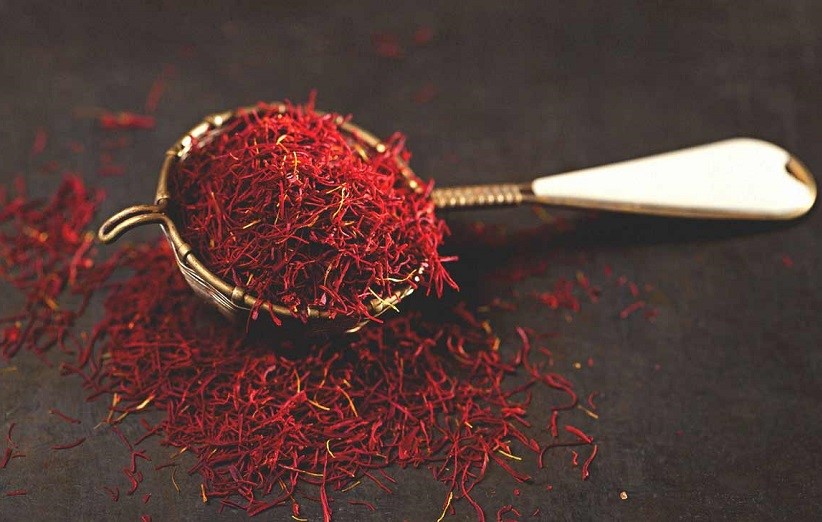
First and foremost, premium saffron consists of red stigmas, which contain the compounds responsible for saffron’s vibrant color, unique flavor, and aroma. On the other hand, yellow or orange parts of the flower have less potency and are usually considered lower-grade saffron.
Consequently, when buying saffron, always choose threads that are deep red and uniform in color. This ensures higher crocin, safranal, and picrocrocin levels, which directly impact quality. Moreover, red stigmas provide the best results in both culinary and cosmetic applications.
Understanding Saffron Grades
Saffron quality is classified by ISO standards and grading systems based on color strength, aroma, and purity. Therefore, top-grade saffron (often labeled as “AAA” or “Super Negin”) provides intense flavor, vibrant color, and long-lasting aroma.
Meanwhile, lower-grade saffron may contain broken threads or mixed colors, which can reduce its potency and market value. For commercial or culinary purposes, investing in high-grade saffron ensures both quality and premium pricing. Furthermore, premium saffron enhances your brand’s reputation and customer trust.
How to Identify Genuine Saffron
Visual Inspection
High-quality saffron threads should be uniformly red with slight orange tips. Additionally, they should be dry, brittle, and free from moisture or mold. Avoid strands that appear dull, pale, or sticky, as these often indicate inferior or adulterated saffron.
Aroma and Flavor Test
Saffron’s aroma is a key indicator of quality. In fact, premium saffron has a strong, sweet, and floral fragrance. To test, crush a few threads gently between your fingers. As a result, high-quality saffron should release a potent scent immediately. Moreover, its flavor should be slightly bitter, not flat or artificial.
Solubility Test
Another reliable method to confirm authenticity is by soaking threads in warm water or milk. Genuine saffron will release a rich golden-yellow color gradually without dissolving completely. Therefore, this test helps differentiate real saffron from synthetic or dyed alternatives.
Tips for Buying Saffron in Bulk or Wholesale
Source from Reputable Suppliers
When buying saffron for commercial purposes, always choose trusted suppliers with certifications and transparent sourcing. Additionally, suppliers who provide ISO grades, lab testing, and traceability ensure consistent quality and safety. Saffron Buying Guide: How to Choose High-Quality Saffron.
- Ultimate Saffron Buying Guide
- Natural Saffron Spice
- Saffron Threads Wholesale
- Pushal Saffron ✓
- Saffron color purity ✓
- Saffron Threads Wholesale
- Saffron color purity
Check Packaging and Storage
Premium saffron is sensitive to light, heat, and humidity. Therefore, it should be packed in airtight, light-resistant containers. Proper packaging preserves aroma, flavor, and shelf life, especially when purchasing in bulk for resale or production. Moreover, effective storage prevents loss of potency over time.
Conclusion
Buying saffron requires careful attention to color, aroma, grade, and supplier credibility. By selecting deep red stigmas, verifying ISO standards, and sourcing from reputable providers, you can ensure that your saffron delivers superior taste, fragrance, and health benefits.
For retailers, chefs, and commercial buyers, investing in high-quality saffron not only enhances product performance but also strengthens premium branding and customer satisfaction. Therefore, following this buying guide helps you make informed choices and maximize the commercial potential of saffron in today’s global market.