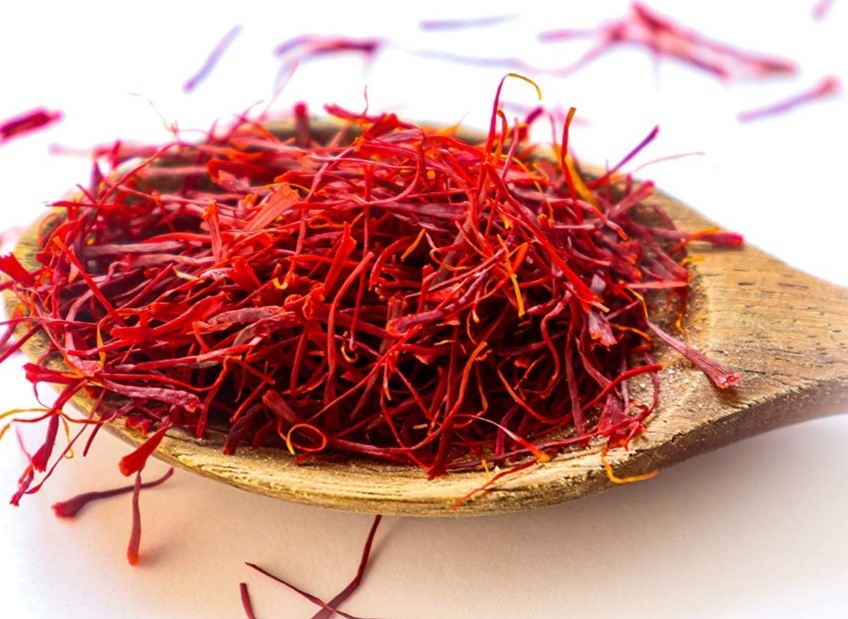
A Comprehensive Guide for Growth and Opportunity
The global saffron market continues to expand as demand rises across food, wellness, and luxury segments. Known as “red gold,” saffron remains one of the most valuable spices in the world. Its unique aroma, vibrant color, and potential health benefits make it a favorite ingredient for chefs, beverage brands, and consumers seeking premium products.Saffron Market Trends
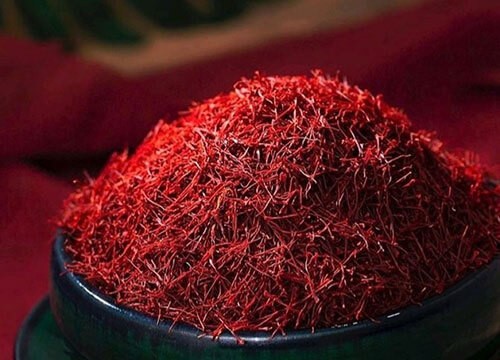
In recent years, key saffron market trends have reshaped how producers, suppliers, and retailers operate. Understanding these trends helps businesses stay competitive and tap into emerging opportunities.
If you want to succeed in the saffron industry, knowing the latest market dynamics is essential.
Global Demand and Consumption Patterns
Growing Demand in Food and Beverage Sectors
First of all, saffron continues to gain popularity in global cuisine. From traditional dishes in Iran and Spain to modern fusion recipes, chefs use saffron to add depth and luxury. Furthermore, gourmet restaurants increasingly feature saffron-infused dishes on their menus.
In addition, saffron beverages such as saffron tea, milk infusions, and premium lattes attract health-conscious consumers. Therefore, demand from specialty cafés and beverage brands continues to rise.
Seasonal and Cultural Peaks
Moreover, saffron sales peak during cultural and religious occasions. For example, markets in the Middle East and South Asia show increased demand during Ramadan and wedding seasons. Because saffron enhances the taste and presentation of celebratory dishes, consumers often seek premium grades for special occasions.
Shifts in Consumer Preferences
Premiumization and Quality Focus
Modern consumers prioritize quality over price when purchasing saffron. They seek certified products that showcase origin, grade, and purity. High-grade saffron such as Super Negin and Sargol, especially from Khorasan Province, commands premium prices due to stronger coloring and aroma.
Furthermore, transparency in sourcing and lab certification adds value. As a result, brands that highlight quality and traceability attract loyal customers and premium market segments.
Health and Wellness Trends
Another key saffron market trend is the emphasis on health benefits. Scientific studies suggest saffron may support mood balance, antioxidant protection, and overall wellness. Although it is not a medical treatment, saffron’s natural properties appeal to consumers interested in holistic living.
Consequently, saffron-infused products—such as dietary supplements, herbal teas, and functional beverages—are gaining traction in health-focused markets.
E-Commerce and Digital Influence
Online Sales Growth
The rise of e-commerce has significantly impacted saffron distribution. Online marketplaces and direct-to-consumer brands make premium saffron accessible worldwide. In addition, SEO, content marketing, and social media engagement help brands educate customers and build trust.
For example, blogs, infographics, and recipe guides improve search visibility for keywords like “pure saffron threads,” “saffron health benefits,” and “buy saffron online.” As a result, businesses that optimize digital channels boost organic traffic and conversions.
Social Media and Influencer Marketing
Social platforms play an increasing role in saffron awareness. Influencers in cooking, wellness, and lifestyle niches create content featuring saffron recipes, brewing tips, and health insights. This trend enhances visibility and reaches new customer segments, especially younger audiences.
Sustainable and Ethical Sourcing
Eco-Friendly Supply Chains
Today’s consumers care about sustainability and ethical production. Therefore, saffron brands that emphasize eco-friendly cultivation, fair labor practices, and recyclable packaging gain credibility. Sustainable labeling strengthens brand reputation and supports premium pricing strategies.
Traceability and Certification
Traceability—showing exact harvest location, farm practices, and testing reports—is becoming a differentiator. Certifications such as ISO and organic seals reassure buyers about product integrity.
Capitalize on Saffron Market Trends
In conclusion, the saffron market is evolving rapidly due to rising global demand, premiumization, digital sales growth, and wellness trends. To succeed, brands must focus on quality, transparency, and customer engagement.
Whether you sell online, export internationally, or supply premium retail markets, staying informed about saffron market trends will help you unlock growth and build long-term success in the red gold industry.