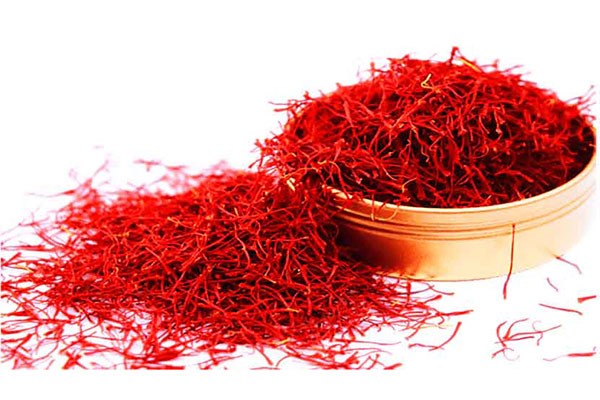
All information about saffron
PART 1: Iranian Saffron: The World’s Finest Red Gold
Introduction: Iranian Saffron History :
Iranian Saffron History, often referred to as the “Red Gold,” is the world’s most valuable spice, celebrated for its exceptional color, aroma, flavor, and medicinal properties. ( Iranian Saffron History Harvested from the delicate flowers of Crocus sativus, Iranian Saffron History, Iranian saffron accounts for more than 90% of the world’s saffron production and has been exported to international markets for centuries. Iranian Saffron History. Zaffron
Its unique quality is the result of Iran’s favorable climate, fertile soil, traditional harvesting methods, and generations of farming expertise. Today, Iranian saffron is supplied to food manufacturers, pharmaceutical companies, cosmetic industries, restaurants, wholesalers, and retailers across Europe, Asia, the Middle East, and North America.
Whether you are looking for premium-grade saffron for culinary use or bulk quantities for international trade, Iranian saffron remains the preferred choice for buyers worldwide. Iranian Saffron History
Why Iranian Saffron Is the Best in the World
Iran has long been recognized as the global leader in saffron cultivation. The country’s unique environmental conditions create an ideal habitat for producing saffron with high concentrations of crocin, safranal, and picrocrocin—the three natural compounds responsible for saffron’s vibrant color, distinctive aroma, and rich taste. Iranian Saffron history.
Key advantages include:
- Superior coloring strength
- Rich natural aroma
- Strong flavor profile
- High purity
- Hand-harvested quality
- Competitive export prices
- Reliable year-round supply
- International quality standards
Because of these advantages, Iranian saffron is exported to more than 80 countries every year.
What Is Iranian Saffron?
Iranian saffron is obtained from the crimson stigmas of the Crocus sativus flower. Each flower contains only three delicate red stigmas, which must be carefully picked by hand.
Producing saffron is extremely labor-intensive. Approximately 150,000 to 170,000 flowers are required to produce just one kilogram of dried saffron, making it one of the most expensive spices in the world.
After harvesting, the stigmas are dried using carefully controlled methods that preserve their natural chemical compounds and ensure maximum quality. Iranian Saffron history.
History of Iranian Saffron
The history of saffron cultivation in Iran dates back more than 3,000 years.
Ancient Persian civilizations cultivated saffron for:
- Royal cuisine
- Traditional medicine
- Textile dyeing
- Religious ceremonies
- Perfume production
Over time, Persian traders introduced saffron to Greece, India, China, Spain, and many other regions, establishing Iran as the historic center of saffron production.
Today, provinces such as Khorasan Razavi and South Khorasan remain the heart of global saffron cultivation.
Main Saffron Producing Regions in Iran
Iran produces saffron in several provinces, with the highest-quality products originating from: Iranian Saffron history .
Khorasan Razavi
The world’s largest saffron-producing region.
Main cities include:
- Torbat Heydarieh
- Gonabad
- Kashmar
- Bardaskan
South Khorasan
Known for producing premium-quality saffron with excellent coloring strength.
North Khorasan
Produces increasing quantities of export-quality saffron every year.
The combination of dry climate, cold winters, and fertile soil makes these regions ideal for saffron cultivation.
Types of Iranian Saffron
Iranian saffron is available in several commercial grades.
Negin Saffron
Negin is considered the highest commercial grade.
Characteristics:
- Long, thick stigmas
- Bright crimson color
- Strong aroma
- High crocin content
- Premium appearance
- Ideal for luxury markets
Negin saffron is widely preferred by importers and gourmet food manufacturers. Iranian Saffron history .
Super Negin Saffron
This premium grade features:
- Extra-long threads
- Uniform appearance
- Deep red color
- Maximum coloring power
- Excellent export quality
Super Negin commands the highest market price.
Sargol Saffron
Sargol consists entirely of pure red stigmas without yellow parts.
Benefits include:
- Excellent coloring strength
- Affordable price
- Popular worldwide
- Suitable for food industries
- High purity
Pushal Saffron
Pushal contains the red stigma along with a small portion of the yellow style.
Advantages include:
- Strong aroma
- Attractive appearance
- Better resistance during transportation
- Competitive pricing
Bunch (Dasteh) Saffron
Traditional Persian saffron presented as complete stigmas.
Commonly used in traditional markets and regional trade.
Chemical Composition of Iranian Saffron
The quality of saffron is determined by three major natural compounds. Iranian Saffron history .
Crocin
Responsible for:
- Intense red color
- High coloring strength
- Visual appeal
Safranal
Provides:
- Characteristic aroma
- Long-lasting fragrance
- Premium quality
Picrocrocin
Responsible for:
- Natural bitter taste
- Flavor intensity
- Freshness indicator
International laboratories measure these compounds according to ISO 3632 standards to classify saffron quality.
PART 2 :
Health Benefits of Iranian Saffron
For centuries, Iranian saffron has been valued not only as a premium spice but also as a natural remedy in traditional medicine. Modern scientific studies have identified several bioactive compounds in saffron, including crocin, safranal, and picrocrocin, which contribute to its unique health-promoting properties.
Rich in Powerful Antioxidants
Saffron contains natural antioxidants that help protect the body’s cells against oxidative stress caused by free radicals. These antioxidants play an important role in maintaining overall health and supporting the immune system.
Supports Mood and Emotional Well-being
Research suggests that saffron may help support emotional balance and contribute to a positive mood. It has gained attention as a natural ingredient in wellness products designed to promote mental well-being.
Promotes Heart Health
Saffron contains compounds that may contribute to cardiovascular health as part of a balanced diet and healthy lifestyle. Its antioxidant properties help protect blood vessels from oxidative damage.
Supports Healthy Vision
Carotenoid compounds found in saffron have been studied for their potential role in supporting eye health and maintaining healthy vision.
Traditional Uses
For generations, saffron has been traditionally used in Persian medicine to support:
- Digestive health
- General vitality
- Appetite regulation
- Relaxation
- Overall wellness
Culinary Applications of Iranian Saffron
Iranian saffron is one of the most versatile spices in the world. Its unique aroma, brilliant golden color, and delicate flavor make it an essential ingredient in many international cuisines.
Rice Dishes
Saffron is widely used to prepare premium rice dishes such as Persian rice, Spanish paella, Indian biryani, and Middle Eastern pilaf.
Desserts
Luxury desserts often contain saffron because of its natural color and aroma.
Popular examples include:
- Ice cream
- Cakes
- Cookies
- Custards
- Puddings
- Traditional sweets
Beverages
Saffron is commonly added to:
- Herbal tea
- Milk
- Coffee
- Traditional drinks
- Energy beverages
Seafood
Professional chefs frequently use saffron when preparing:
- Shrimp
- Lobster
- Fish
- Mussels
Meat Dishes
Saffron enhances the flavor of:
- Chicken
- Lamb
- Beef
- Barbecue
- Marinades
Industrial Applications of Saffron
Beyond the food industry, saffron has become an important raw material for several industrial sectors.
Pharmaceutical Industry
Pharmaceutical manufacturers use saffron extracts in various health-related products due to its valuable natural compounds.
Cosmetic Industry
Luxury cosmetic brands incorporate saffron into products such as:
- Face creams
- Anti-aging serums
- Skin masks
- Natural soaps
- Essential oils
Nutritional Supplements
Saffron extract is widely used in dietary supplements produced for international markets.
How Iranian Saffron Is Harvested
Harvesting saffron is one of the most delicate agricultural processes.
The flowering season generally begins in late October and continues through November.
Each flower must be picked by hand early in the morning before sunlight affects its quality.
The flowers are then transported to processing facilities where workers carefully separate the three red stigmas from each flower.
This traditional manual process ensures that the saffron retains its premium quality.
Drying Process
Proper drying is one of the most important stages of saffron production.
Professional drying methods help preserve:
- Color intensity
- Natural aroma
- Flavor
- Crocin content
- Safranal content
Modern exporters combine traditional experience with advanced drying technology to achieve consistent quality.
Quality Standards
High-quality Iranian saffron is evaluated according to several important criteria.
These include:
- Color strength
- Aroma
- Flavor
- Moisture content
- Purity
- Foreign matter
- Thread appearance
International buyers often request laboratory testing based on ISO 3632 standards before purchasing saffron.
Packaging Options
Packaging plays an essential role in preserving saffron quality during storage and international transportation.
Common packaging options include:
Retail Packaging
- 0.5 gram
- 1 gram
- 2 grams
- 3 grams
- 5 grams
- 10 grams
Suitable for supermarkets and retail stores.
Food Service Packaging
- 20 grams
- 50 grams
- 100 grams
Designed for restaurants and food manufacturers.
Bulk Packaging
- 250 grams
- 500 grams
- 1 kilogram
Ideal for importers, wholesalers, and distributors.
Packaging materials may include:
- Glass containers
- Metal tins
- Crystal jars
- PET containers
- Vacuum bags
Storage Recommendations
Proper storage helps preserve saffron’s quality for an extended period.
Recommended storage conditions include:
- Keep in a cool place.
- Store away from direct sunlight.
- Protect from moisture.
- Use airtight containers.
- Avoid exposure to strong odors.
Under proper conditions, saffron can maintain its quality for an extended period.
Iranian Saffron Export
Iran is the world’s largest producer and exporter of saffron.
Iranian saffron is supplied to buyers across:
- Europe
- Middle East
- China
- India
- Southeast Asia
- North America
- Australia
Exporters provide different grades to meet the requirements of wholesalers, retailers, food manufacturers, pharmaceutical companies, and private-label brands.
Why Import Iranian Saffron?
International buyers choose Iranian saffron because of:
- Premium quality
- Competitive prices
- Stable supply
- High coloring strength
- Rich aroma
- Multiple packaging options
- International export experience
- Flexible order quantities
How to Choose High-Quality Saffron
When purchasing saffron, buyers should evaluate:
- Thread length
- Deep red color
- Natural aroma
- Low moisture
- Laboratory certification
- Reliable supplier
- Export documentation
- Packaging quality
These factors help ensure that the saffron meets international quality expectations and provides excellent value for importers and distributors.
PART 3 :
Technical Specifications of Iranian Saffron
The quality of Iranian saffron is evaluated according to international standards, particularly ISO 3632. Buyers around the world use these specifications to compare different grades and ensure product consistency.
| Specification | Description |
| Botanical Name | Crocus sativus L. |
| Product Type | Natural Spice |
| Origin | Iran |
| Harvest Season | October – November |
| Color | Deep Crimson Red |
| Aroma | Strong and Natural |
| Taste | Slightly Bitter |
| Moisture | According to international standards |
| Packaging | Retail & Bulk |
| Shelf Life | Up to 24 Months (under proper storage conditions) |
| Applications | Food, Beverage, Pharmaceutical, Cosmetic |
Iranian Saffron Grades Comparison
| Grade | Appearance | Quality | Main Application |
| Super Negin | Extra Long Threads | Premium | Luxury Markets |
| Negin | Long Thick Threads | Excellent | Export |
| Sargol | Pure Red Stigma | Excellent | Food Industry |
| Pushal | Red with Yellow Style | Very Good | Wholesale |
| Bunch (Dasteh) | Complete Threads | Traditional | Local Markets |
Industries That Use Iranian Saffron
Iranian saffron is supplied to a wide range of industries worldwide, including:
- Food Manufacturers
- Spice Importers
- Pharmaceutical Companies
- Cosmetic Manufacturers
- Beverage Producers
- Restaurants
- Hotels
- Catering Companies
- Retail Chains
- Supermarkets
- Online Food Stores
- Health Product Manufacturers
Its versatility makes it one of the most valuable agricultural products in international trade.
Why Choose Our Iranian Saffron?
We are committed to supplying premium Iranian saffron that meets international quality expectations.
Our advantages include:
- High-quality export-grade saffron
- Consistent product quality
- Competitive wholesale prices
- Flexible packaging options
- Reliable international shipping
- Professional export documentation
- Fast response to inquiries
- Long-term business cooperation
Our goal is to build lasting partnerships based on trust, quality, and reliable service.
Frequently Asked Questions (FAQ)
What is Iranian saffron?
Iranian saffron is the dried red stigma of the Crocus sativus flower and is widely recognized as the highest-quality saffron available.
Why is Iranian saffron considered the best?
Because of its superior coloring strength, rich aroma, excellent flavor, and centuries of cultivation experience.
Which grade is the highest quality?
Super Negin is generally regarded as the premium commercial grade.
How is saffron harvested?
Each flower is harvested by hand, and the three red stigmas are carefully separated and dried.
When is saffron harvested?
The harvest season usually takes place from late October to November.
What is the shelf life of saffron?
When stored in a cool, dry place in an airtight container, saffron can maintain its quality for up to two years.
How should saffron be stored?
Keep it away from sunlight, moisture, heat, and strong odors.
Is Iranian saffron suitable for food manufacturers?
Yes. Iranian saffron is widely used by food processing companies around the world.
Can saffron be supplied in bulk?
Yes. Bulk packaging is available for importers, wholesalers, distributors, and industrial buyers.
Which countries import Iranian saffron?
Iranian saffron is exported to many countries across Europe, Asia, the Middle East, and other international markets.
Is laboratory testing available?
Many exporters provide laboratory reports and quality certificates upon request.
What packaging options are available?
Packaging ranges from retail sizes (0.5–10 g) to bulk packages (250 g, 500 g, and 1 kg), depending on customer requirements.
Internal Linking Suggestions
To strengthen your website’s SEO structure, this page should link to the following related pages:
- Negin Saffron
- Super Negin Saffron
- Sargol Saffron
- Pushal Saffron
- Organic Saffron
- Bulk Saffron
- Saffron Price
- Saffron Export
- Saffron Packaging
- Saffron Benefits
- Saffron Uses
- Saffron Harvesting
- Saffron Quality Standards
- Buy Iranian Saffron
- Saffron FAQ
Likewise, each of these pages should link back to this main Iranian Saffron page.
Conclusion
Iranian saffron continues to set the global benchmark for quality, purity, and authenticity. From its vibrant crimson threads and exceptional coloring strength to its rich aroma and versatile applications, it remains the preferred choice for importers, wholesalers, manufacturers, and culinary professionals worldwide.
Whether you are looking for premium saffron for food production, pharmaceutical applications, cosmetic formulations, or retail distribution, Iranian saffron offers outstanding value and consistent quality. By partnering with a reliable supplier, buyers can benefit from flexible packaging options, dependable export services, and a stable supply of one of the world’s most prestigious spices.
Contact Us
Looking for a trusted supplier of premium Iranian saffron? www.Irandriedfruit.com
Contact our export team today to request:
- Latest wholesale prices
- Product specifications
- Packaging options
- Laboratory reports
- Sample availability
- Shipping information
- Export documentation
- Custom quotations
We look forward to building a successful and long-term business partnership with you.Top of FormBottom of Form
Global Saffron Market
The global demand for saffron has grown steadily over the past decade. As consumers increasingly seek natural ingredients for food, health, and cosmetic applications, saffron has become one of the most valuable agricultural products in international trade.
Iran remains the leading producer of saffron, supplying the majority of the world’s premium-quality saffron. Major importing countries include Spain, the United Arab Emirates, India, China, Saudi Arabia, Italy, Germany, France, and several other European and Asian markets.
The increasing popularity of Mediterranean cuisine, functional foods, and natural wellness products continues to drive global demand for high-quality Iranian saffron.
How We Ensure Quality
Quality assurance begins in the saffron fields and continues through every stage of production, processing, packaging, and export.
Our quality control process includes:
- Careful selection of saffron flowers
- Manual separation of stigmas
- Hygienic drying procedures
- Professional sorting and grading
- Moisture control
- Laboratory testing when required
- Secure packaging
- Final inspection before shipment
Every stage is designed to preserve the saffron’s natural color, aroma, and flavor.
Export Packaging Solutions
Different customers require different packaging solutions. We offer flexible options for wholesalers, retailers, distributors, and private-label brands.
Available packaging includes:
Retail Packaging
- 0.5 g
- 1 g
- 2 g
- 3 g
- 5 g
- 10 g
Food Service Packaging
- 20 g
- 50 g
- 100 g
Wholesale Packaging
- 250 g
- 500 g
- 1 kg
Private label packaging can also be arranged according to customer requirements.
Shipping and Logistics
We provide reliable international shipping solutions to ensure that saffron reaches customers safely and on time.
Available transportation methods include:
- Air Freight
- Sea Freight
- Courier Services
- Express Delivery
Each shipment is packed to maintain product quality during transportation.
Documents Available for Export
International buyers may require various commercial and shipping documents. Depending on the destination country, the following documents can be provided:
- Commercial Invoice
- Packing List
- Certificate of Origin
- Phytosanitary Certificate (if required)
- Quality Certificate (if requested)
- Bill of Lading or Air Waybill
- Insurance Documents (when applicable)
Private Label Services
Many international customers prefer selling saffron under their own brand.
Private label services may include:
- Custom packaging
- Brand logo printing
- Barcode printing
- Multi-language labels
- Retail-ready packaging
- Customized gift boxes
This service allows importers to strengthen their own brand while purchasing premium Iranian saffron.
Why Work with Us?
Choosing the right supplier is essential for long-term business success.
We focus on:
- Consistent product quality
- Transparent communication
- Flexible order quantities
- Competitive pricing
- On-time delivery
- Professional export support
- Long-term partnerships
- Customer satisfaction
Our experienced export team is committed to providing reliable service from inquiry to delivery.
Frequently Requested Information
International buyers often ask the following questions before placing an order:
- What saffron grade is best for my market?
- Answer: Super Negin
- Which packaging option should I choose?
- Answer: depends on your market, but our suggestion is 1,2,5,10,15 gr packing
- What is the minimum order quantity?
- Answer: 1 kg
- Can samples be provided?
- Answer: Yes, but you should pay for courier
- What are the available payment terms?
- Answer: 40% in advance & the rest against a copy of documents
- Which shipping method is recommended?
- Answer: Airway
- How long does delivery take?
- Answer: 3 -5 days
- Can you supply regular monthly quantities?
- Answer: Yes, as you wish
- Do you offer private label packaging?
- Answer: We can use our label & your label too
- Can you provide quality certificates?
- Answer: Yes
We are happy to answer these questions and help customers select the most suitable saffron products for their business.
Request a Quote
If you are looking for a reliable supplier of premium Iranian saffron, we invite you to contact us for a personalized quotation.
Please include the following information with your inquiry:
- Required saffron grade
- Quantity
- Packaging preference
- Destination country
- Preferred shipping method
Our sales team will respond promptly with pricing, availability, and shipping options.
Final Thoughts
Iranian saffron is more than a premium spice—it represents centuries of agricultural tradition, exceptional craftsmanship, and unmatched quality. Whether you are an importer, wholesaler, distributor, food manufacturer, or retailer, choosing authentic Iranian saffron means investing in one of the world’s most respected agricultural products.
With its superior color, aroma, flavor, and versatility, Iranian saffron continues to be the preferred choice in global markets. We are proud to support international customers with reliable products, professional service, and long-term business partnerships.
- How to Evaluate High-Quality Iranian Saffron
Choosing premium Iranian saffron requires careful attention to several quality indicators. Professional buyers and importers evaluate saffron based on appearance, aroma, color strength, purity, and laboratory standards.Iranian Saffron History
Appearance
Premium saffron threads should be:
- Bright crimson red
- Long and thick
- Uniform in size
- Clean and free from foreign materials
- Properly dried without breakage
High-quality saffron should not contain excessive yellow or white styles unless it is a specific grade such as Pushal or Bunch.
Aroma
Authentic Iranian saffron has a rich and distinctive aroma. The fragrance is naturally sweet with floral and honey-like notes.
Saffron with little or no aroma may indicate poor quality, improper storage, or excessive age. Iranian Saffron History.
Coloring Strength
One of the most important characteristics of premium saffron is its coloring power.
A small quantity of genuine Iranian saffron produces a deep golden color when infused in warm water.
Higher coloring strength generally indicates higher crocin content and better quality. Iranian Saffron History
Purity
Professional buyers should ensure that saffron is free from:
- Artificial colorants
- Moisture contamination
- Dust
- Plant debris
- Other foreign materials
Reliable suppliers maintain strict quality control throughout production and packaging.Iranian Saffron History.
ISO 3632 Classification
The international saffron trade commonly uses ISO 3632 to classify saffron quality.
The standard evaluates three primary characteristics:
| Parameter | Importance |
| Crocin | Coloring Strength |
| Safranal | Aroma |
| Picrocrocin | Flavor |
Products with higher analytical values are generally considered premium quality. Iranian Saffron History
Tips for First-Time Importers
If you are importing saffron for the first time, consider the following recommendations:
- Request product specifications.
- Ask for recent product photos.
- Confirm available packaging options.
- Verify shipping methods.
- Request laboratory reports if required.
- Begin with a trial order before placing large-volume purchases.
- Ensure that all export documents are prepared correctly.
Building a long-term relationship with a reliable supplier is one of the most effective ways to ensure consistent product quality.
Sustainability in Saffron Farming
Saffron cultivation is naturally well suited to regions with limited water resources.
Compared with many crops, saffron generally requires less irrigation and can be cultivated in semi-arid climates. Traditional farming knowledge, combined with modern agricultural practices, helps farmers improve productivity while using natural resources responsibly.
Sustainable farming methods contribute to:
- Efficient water use
- Soil conservation
- Long-term productivity
- Rural employment
- Preservation of traditional agricultural knowledge
Common Mistakes When Buying Saffron
Many buyers focus only on price. However, purchasing decisions should also consider quality, reliability, and consistency.
Common mistakes include:
- Choosing the lowest-priced supplier without evaluating quality.
- Ignoring laboratory specifications.
- Purchasing without checking packaging standards.
- Overlooking storage conditions.
- Buying from unverified sources.
A reliable supplier should provide clear information about product grade, origin, packaging, and export capabilities.
Frequently Used Search Terms
Many international buyers search using phrases such as:
- Iranian Saffron Supplier
- Buy Iranian Saffron
- Premium Saffron Exporter
- Wholesale Saffron
- Bulk Iranian Saffron
- Saffron Manufacturer
- Saffron Export Company
- High Quality Saffron
- Pure Iranian Saffron
- Best Saffron from Iran
These search terms reflect the interests of importers, distributors, and food manufacturers looking for trusted business partners.
Internal Linking Suggestions
To strengthen your website’s SEO structure, this page should link to the following related pages:
- Negin Saffron
- Super Negin Saffron
- Sargol Saffron
- Pushal Saffron
- Organic Saffron
- Bulk Saffron
- Saffron Price
- Saffron Export
- Saffron Packaging
- Saffron Benefits
- Saffron Uses
- Saffron Harvesting
- Saffron Quality Standards
- Buy Iranian Saffron
- Saffron FAQ
Likewise, each of these pages should link back to this main Iranian Saffron page.
Frequently Used Search Terms
Many international buyers search using phrases such as:
- Iranian Saffron Supplier
- Buy Iranian Saffron
- Premium Saffron Exporter
- Wholesale Saffron
- Bulk Iranian Saffron
- Saffron Manufacturer
- Saffron Export Company
- High Quality Saffron
- Pure Iranian Saffron
- Best Saffron from Iran
- Company Introduction and Export Experience
Iran Dried Fruit Co. & Saffron Exporter is an Iranian producer, exporter, and wholesaler of Iranian Saffron and saffron products and other Iranian Dried fruits and nuts. since year 2000 until now
(To visit our factory, please follow the link below): www.irandriedfruit.com/idf-saffron-factory/
- Export Destination Countries
Our products are exported to European countries, including Switzerland, Germany, the Netherlands, Russia, Ukraine, Poland, and many other European markets. We also export to South American countries such as Argentina, Brazil, and Colombia; the Gulf Cooperation Council (GCC) countries, including Saudi Arabia; Southeast Asian countries such as Malaysia, Thailand, Japan, China, the Philippines, and Indonesia; as well as Australia and New Zealand.
- Monthly Supply Capacity
Up to 300 kg monthly
- Available Packaging Options
| Available Packaging Options
Additional Cost for Special Packs (These prices will be added to the Saffron Prices) |
||||||||
| No. | Packing Name | Packing Picture | MOQ | Additional Cost for Packing
USD/Pack |
||||
| 1 | PP Bags in Open Cardboard Pack |
|
Private Design | 1 gr | 2 gr | 3 gr | 4 gr | 5 gr |
| 1000 Packs | 0.17 | 0.18 | 0.19 | 0.20 | 0.20 | |||
| 2 | Bottles in Cardboard Box |
|
500 Packs | 0.35 | 0.40 | 0.45 | 0.55 | 0.55 |
| 3 | PP Bags in Closed Cardboard Pack |
|
500 Packs | 0.19 | 0.20 | 0.21 | 0.22 | 0.22 |
| 4 | Metal Box |
|
500 Packs | 0.35 | 0.40 | 0.45 | 0.55 | 0.55 |
| 5 | PP Plastic Box Vacuumed on Cardboard |
|
1000 Packs | 0.25 | 0.30 | 0.35 | 0.40 | 0.40 |
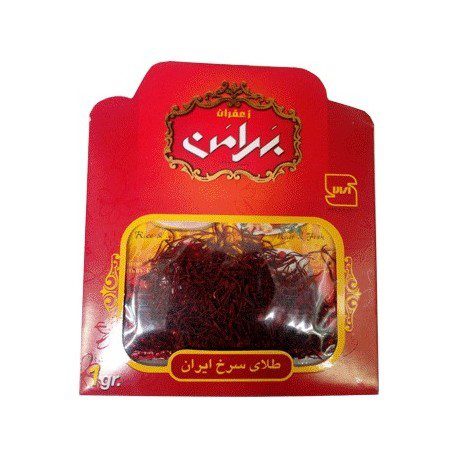
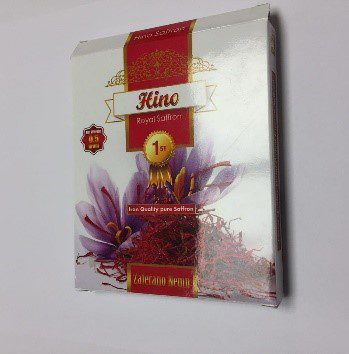
- OEM and Private Label Services
OEM and Private Label ServicesAdditional Cost of Small Packing |
|||||||||
Picture |
Packing Name |
Possible saffron quantity |
MOQ OEM Brand |
Private Design Print (packing only; the price does not include the saffron price) Price/Piece |
|||||
0.5 gr |
1 gr |
2 gr |
3 gr |
4 gr |
5 gr |
||||
|
|
PP Plastic Box Vacuumed on Cardboard |
0.5gr1 gr3 gr |
1000 pieces |
0.20 usd/pcs***400 usd/kg |
0.25 usd/pcs***250 usd/kg |
0.30 usd/pcs***150 usd/kg |
0.40 usd/pcs***133usd/kg |
0.50 usd/pcs***125usd/kg |
0.60 usd/pcs***120usd/kg |
|
|
Bottles in Cardboard Box |
1 gr3 gr |
1000 pieces |
N.A |
0.55 usd/pcs***550usd/kg |
0.70 usd/pcs***350 usd/kg |
0.85 usd/pcs***283usd/kg |
0.95usd/pcs***238usd/kg |
1.15usd/pcs***230usd/kg |
|
|
0.5gr1 gr3 gr |
1000 pieces |
0.45 usd/pcs***900usd/kg |
0.55 usd/pcs***550usd/kg |
0.70 usd/pcs***350 usd/kg |
0.85 usd/pcs***283usd/kg |
0.95usd/pcs***238usd/kg |
1.15usd/pcs***230usd/kg |
|
Important Note:cardboard box die cut blade cost (for first order only) |
195 USDFor each size |
||||||||
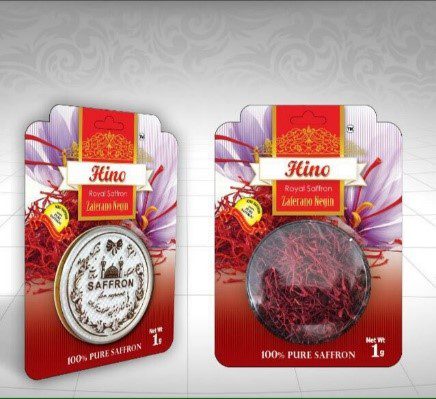
- Company Quality Control
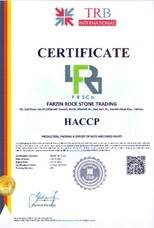
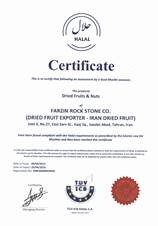
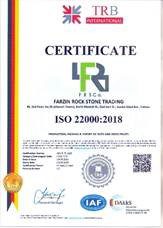
Also, to ensure your order’s quality, we can hire an international inspection company, such as SGS, to inspect your cargo before loading. We, Iran Dried Fruits Company, are ready to share some of the physical inspection charges with you. This depends on your order details such as quantity, product types, packing types, and other factors. Finally, we guarantee your order up to the destination.
- Real Product and Packaging Photos
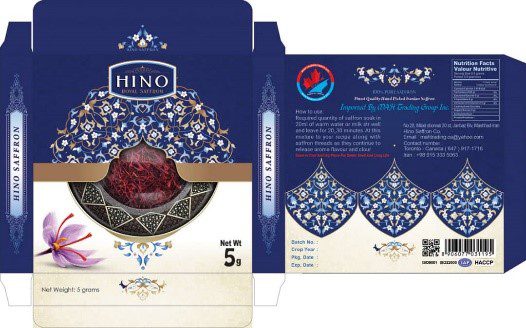
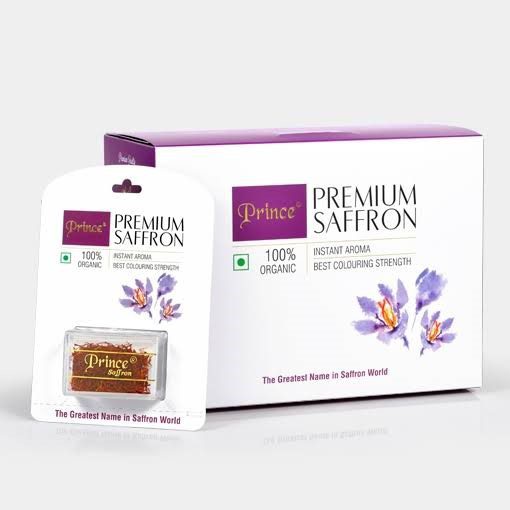
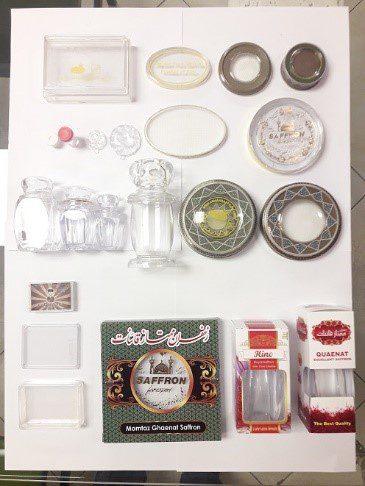
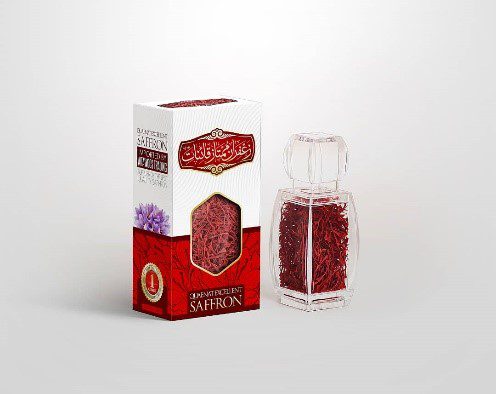
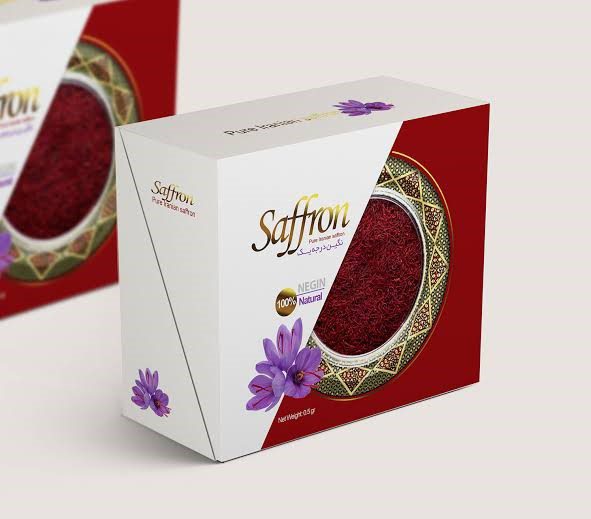
Bottles in Cardboard Box
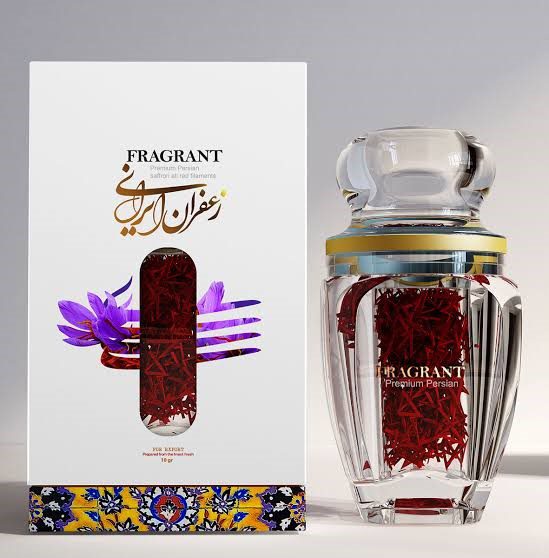
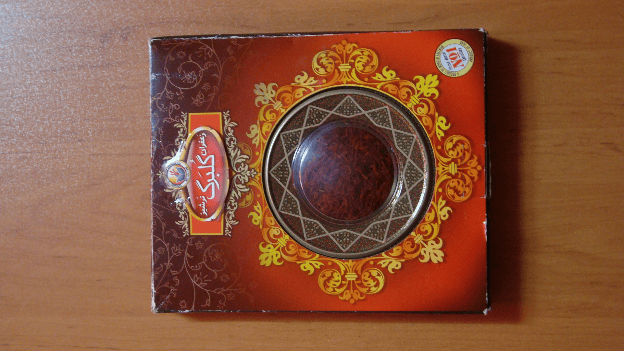
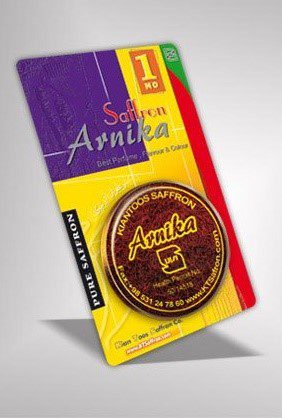
- Company Certifications and Standards (if available)
https://www.irandriedfruit.com/certificates/
- Exclusive Photos of Farms, Harvesting, Drying, and Packaging
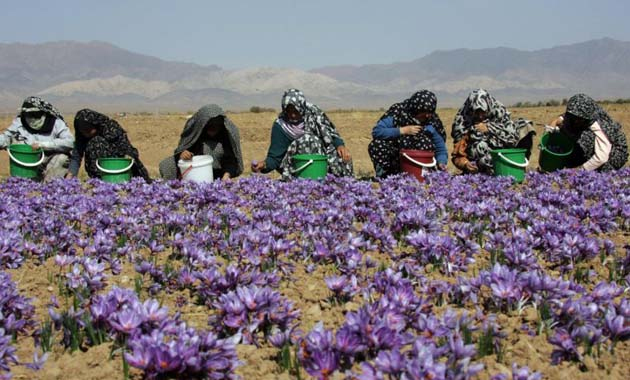
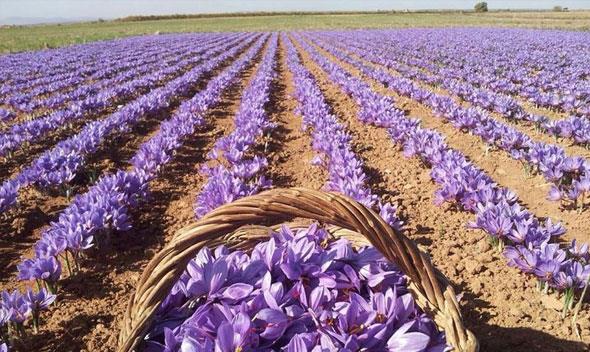
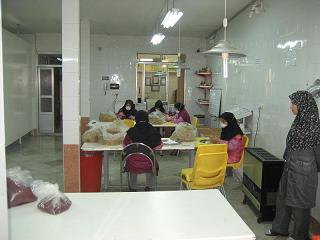
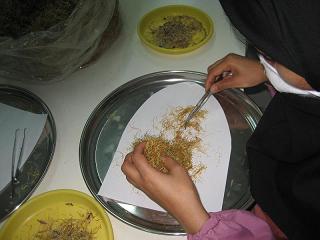
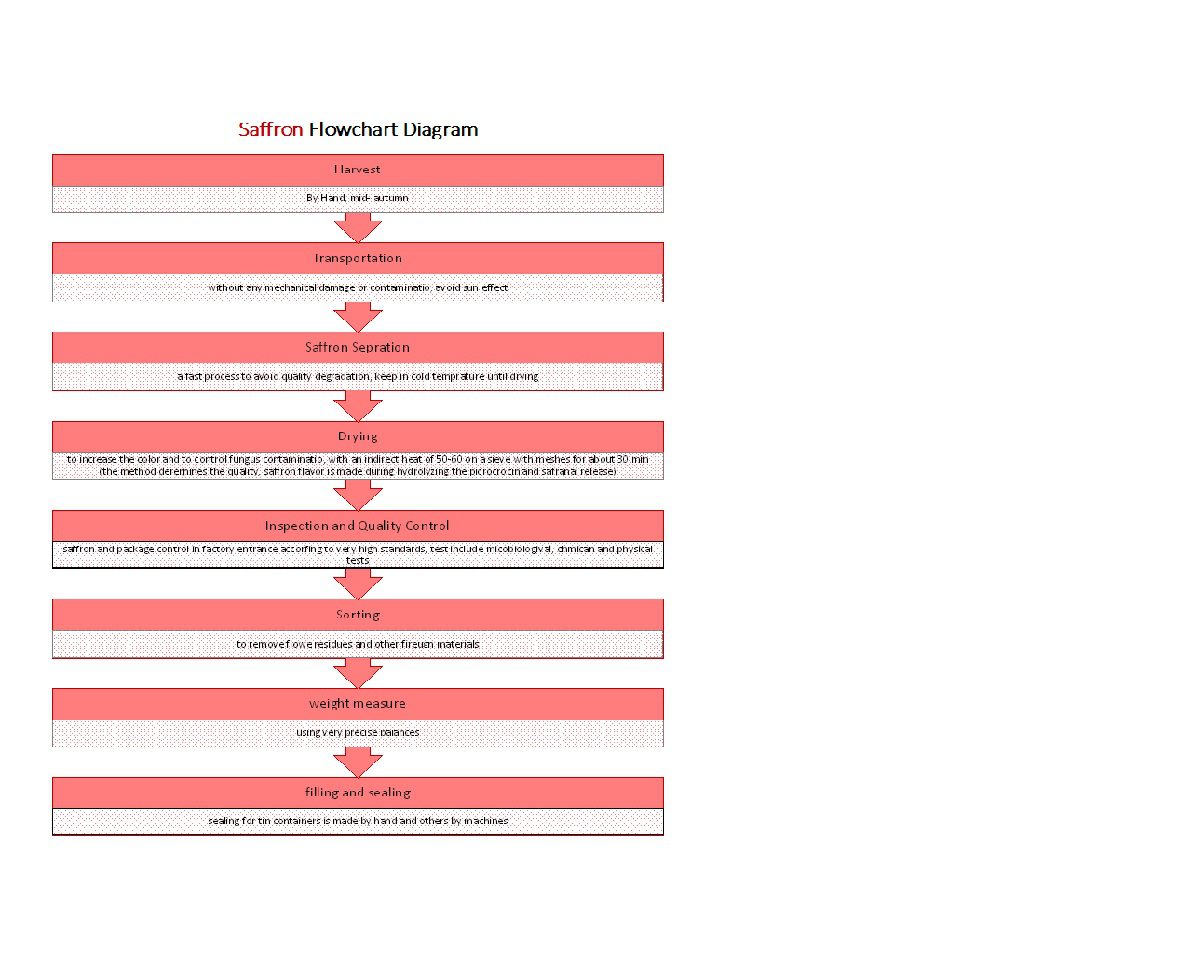
Saffron Production Process Infographic
Saffron Flowchart Diagram
- Comparison Table of Saffron Types (Negin, Super Negin, Sargol, Pushal, and Bunch)
| Saffron (Crocus Sativus) Price List
HS Code: 09102000 |
|||
| Saffron | Type | Specifications | Grade |
|
|
Negin | Crocin (coloring strength) over 250, Safranal (flavor & smell) minimum 35, Picrocrocin (bitterness) minimum 80, Moisture under 7% |
Super Negin |
| Crocin (coloring strength) over 230, Safranal (flavor & smell) minimum 35, Picrocrocin (bitterness) minimum 80, Moisture under 7% |
Negin | ||
|
|
Sargol | Crocin (coloring strength) minimum over 220 Safranal (flavor & smell) minimum 35, Picrocrocin (bitterness) minimum 80, Moisture under 8% |
Sargol |
|
|
Mancha (Pushal) |
Crocin (coloring strength) minimum 200-220, Safranal (flavor & smell) minimum 30, Picrocrocin (bitterness) minimum 75, Moisture under 7% |
Momtaz Pushal |
| Crocin (coloring strength) minimum 190-210, Safranal (flavor & smell) minimum 30, Picrocrocin (bitterness) minimum 75, Moisture under 8% |
Pushal | ||
|
|
Bunch (Dasteh) |
Crocin (coloring strength), minimum 180-200, Safranal (flavor & smell) minimum 30, Picrocrocin (bitterness) minimum 75, Moisture content under 8% |
AAA |
|
|
Powder | Provided from Negin | AAA |
| Provided from Mancha | |||
| Provided from Bunch | |||
| Note:
Minimum Order Quantity (MOQ): 5 Kg Shelf Life: 2 Years. Small packs are available. The above prices are FOB IKA Tehran Airport, Iran. Preparation Time: 10-25 Working Days based on your needed quantity and packing type. Price Validity: 5 Days. Payment Terms: 40% TT in Advance and the Rest against Scan of Air Waybill (AWB). All Necessary Certifications Will Be Provided |
|||
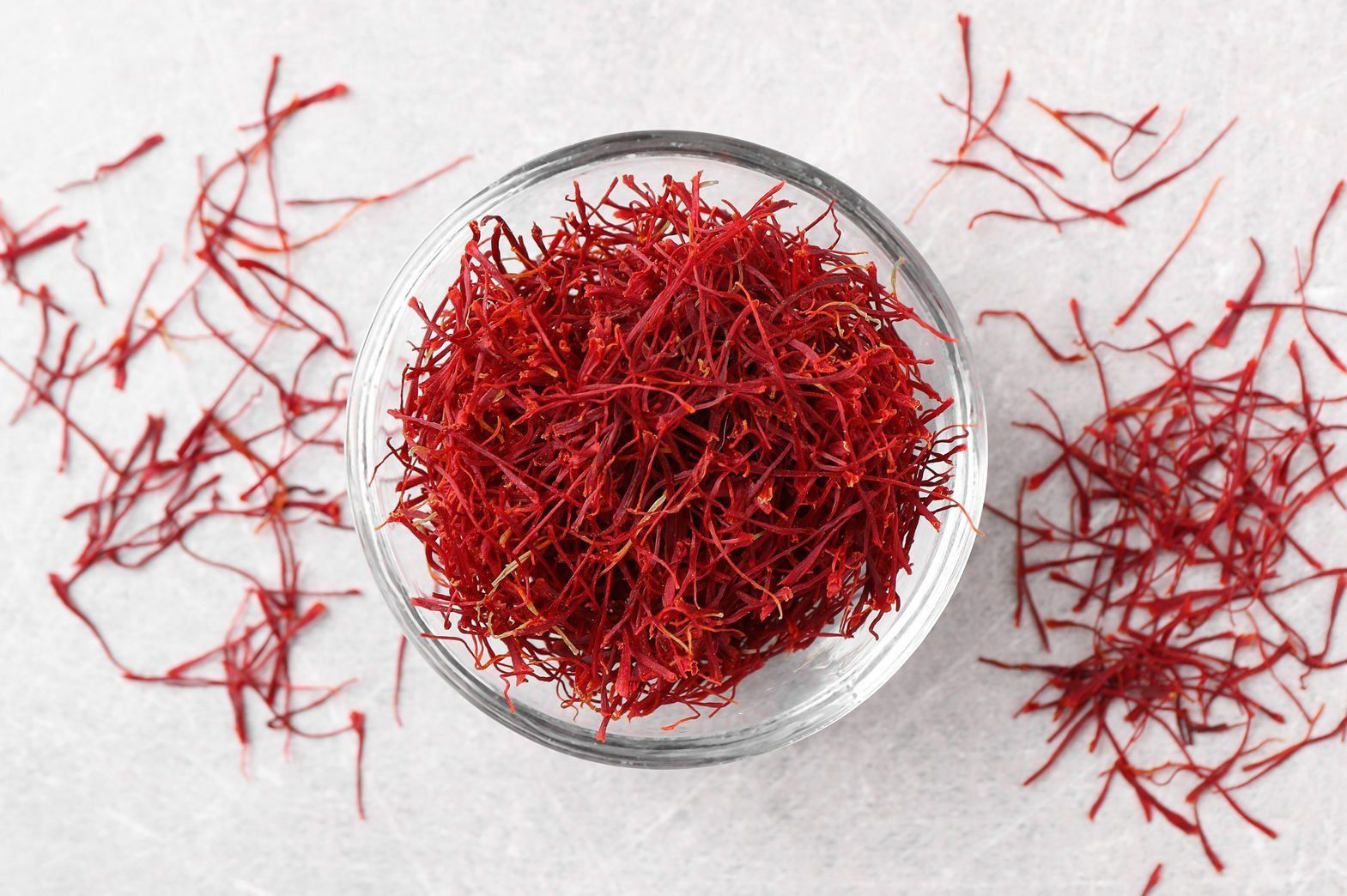
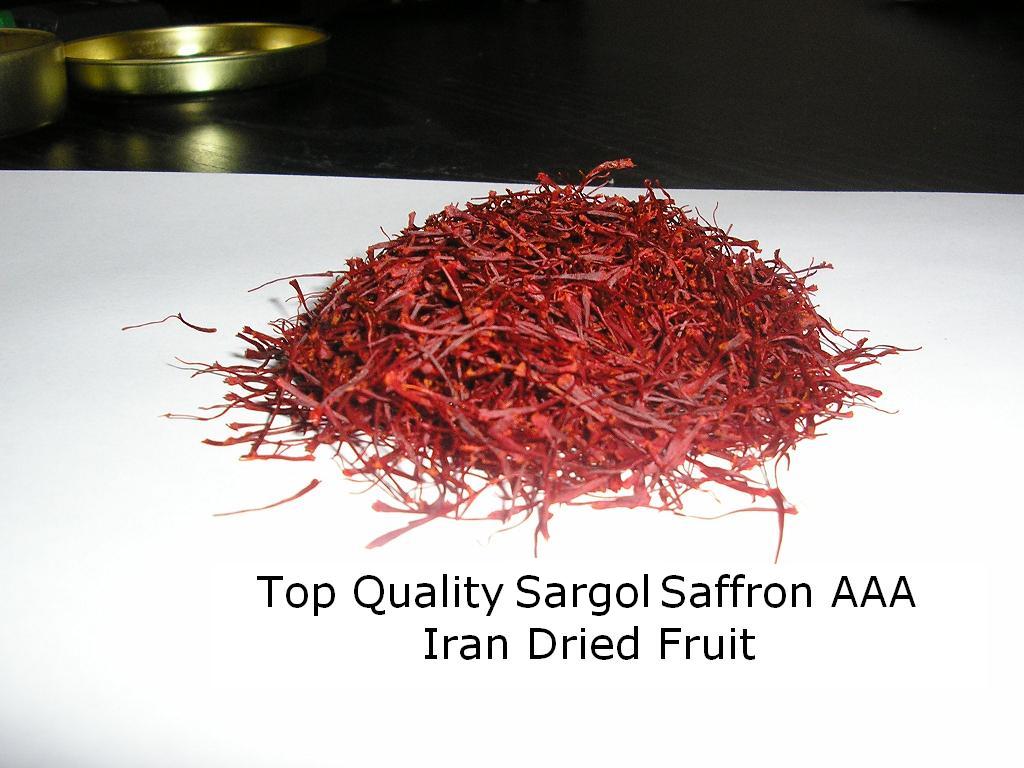
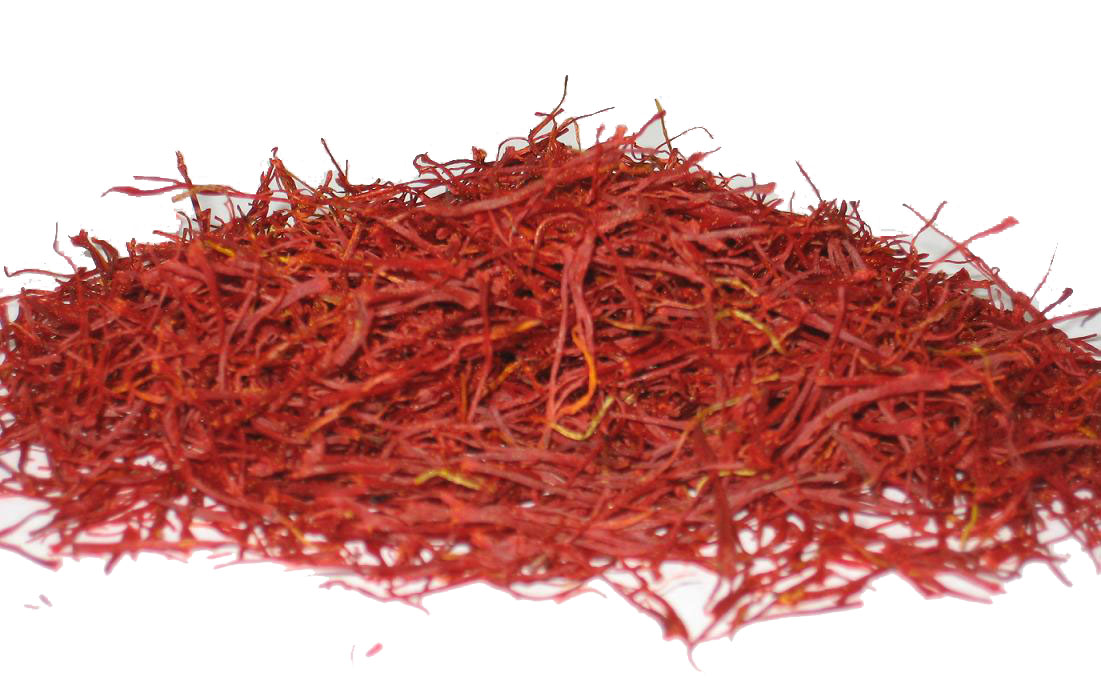
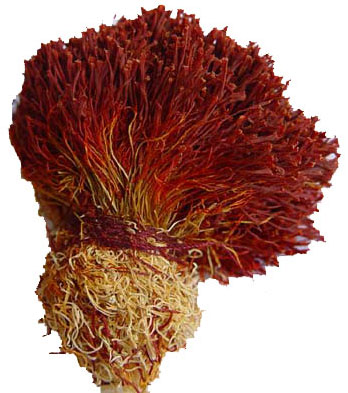
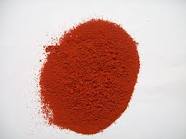
- Technical Specifications Table Based on ISO 3632 Standard
| Saffron | Type | Specifications | |
|
|
Negin | Crocin (coloring strength) over 250, Safranal (flavor & smell) minimum 35, Picrocrocin (bitterness) minimum 80, Moisture under 7% |
|
| Crocin (coloring strength) over 230, Safranal (flavor & smell) minimum 35, Picrocrocin (bitterness) minimum 80, Moisture under 7% |
|||
|
|
Sargol | Crocin (coloring strength) minimum over 220 Safranal (flavor & smell) minimum 35, Picrocrocin (bitterness) minimum 80, Moisture under 8% |
|
|
|
Mancha (Pushal) |
Crocin (coloring strength) minimum 200-220, Safranal (flavor & smell) minimum 30, Picrocrocin (bitterness) minimum 75, Moisture under 7% |
|
| Crocin (coloring strength) minimum 190-210, Safranal (flavor & smell) minimum 30, Picrocrocin (bitterness) minimum 75, Moisture under 8% |
|||
|
|
Bunch (Dasteh) |
Crocin (coloring strength), minimum 180-200, Safranal (flavor & smell) minimum 30, Picrocrocin (bitterness) minimum 75, Moisture content under 8% |
|
|
|
Powder | Provided from Negin | |
| Provided from Mancha | |||
| Provided from Bunch |
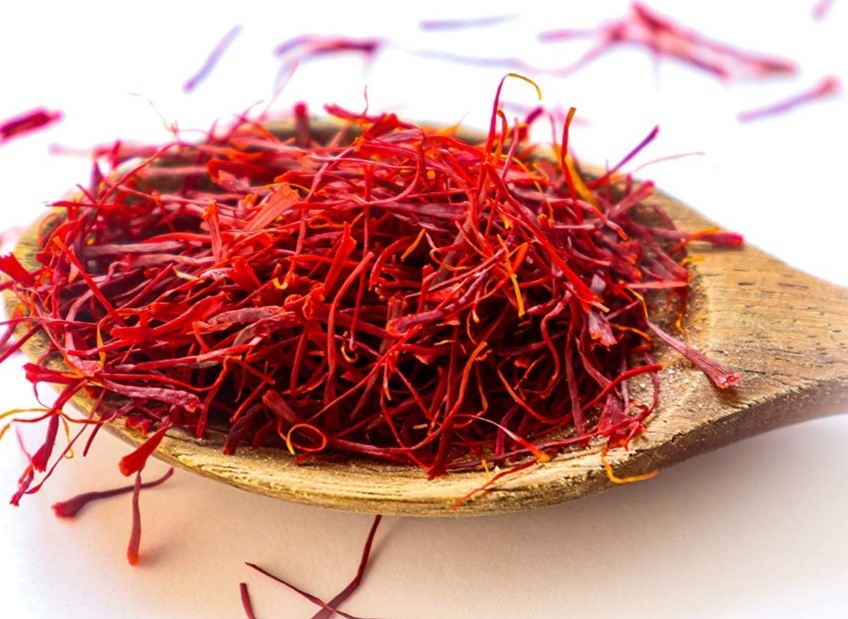
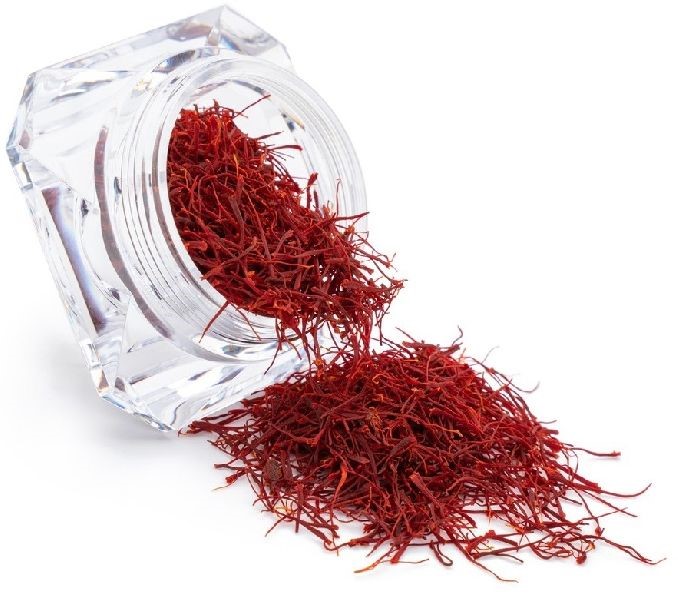

- “Why Buy from Iran?” Section Highlighting Competitive Advantages وIranian Saffron History
Why Choose IDF (Affiliated with FRS Co.) :
– 21 years of production experience, exporting to 58 countries, cumulatively serving +1800 customers, rich export experience, reducing your import risk.
– Factory direct sales, saving 5-30% of the middleman price difference. Iranian Saffron History
– Passed ISO9001/ISO22000/HACCP/Halal Cert, quality control from farms to delivery . Iranian Saffron History
– Producing 10000 tons of dates, pistachios, raisins, saffron, and Other dried fruits and nuts in 40.000 M2 factories and exporting from 3000 M2 warehouses per month..
– After-sales team of 17 people, solves all after-sales problems.
0 Risk Commitment and Our Added Value:
– We will supply you with the best solution, and unconditionally bear the cost of the lost part after providing you with 100% Free factory inspection services in Iran for the first order.
- Customer Testimonials or Case Studies (if available)