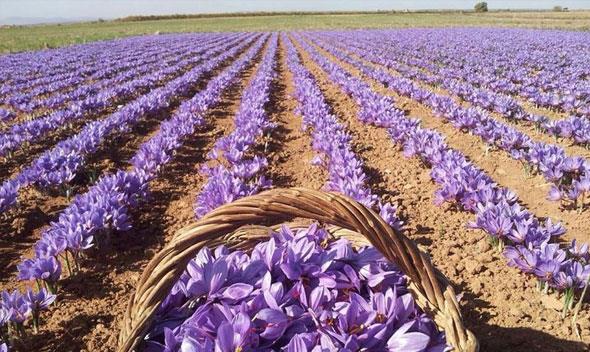
Origin of saffron

safffron farm

Origin of Saffron: A Journey into the Rich History and Global Significance

Unveiling the Mystique: Exploring the Roots and Heritage of Saffron

Embark on a fascinating exploration into the origin of saffron, uncovering the rich history and cultural significance that have made this spice a coveted treasure across centuries. In this guide, we delve into the geographical and historical aspects that contribute to saffron’s unique identity.

Saffron countries of origin

Saffron’s Ancient Roots: Tracing Its Origins Across Continents

1. The Silk Road Legacy: Saffron’s Early Journey from Asia to Europe

Trace the early journey of saffron along the historic Silk Road, as it traveled from its likely origin in Asia to Europe. Explore the spice’s role in ancient civilizations and its emergence as a symbol of luxury and wealth.

The Biggest Saffron Exporters

2. Cultural Significance: Saffron in Ancient Persia and Beyond

Uncover the cultural significance of saffron in ancient Persia (modern-day Iran) and its adoption by various cultures, including Greek, Roman, and Egyptian societies. Learn about saffron’s association with rituals, medicine, and culinary traditions.

Saffron’s Silk Road Odyssey: A Tapestry of Trade and Culture

Embark on saffron’s Silk Road odyssey, exploring the intertwining of trade routes and cultural exchanges that shaped the spice’s early history.

The Saffron Renaissance: Flourishing in Medieval Europe

1. From Spice Gardens to Royal Courts: Saffron’s Arrival in Europe

Witness the arrival of saffron in medieval Europe and its integration into spice gardens and royal courts. Explore how the spice became a symbol of prestige and was cultivated in regions like Spain, contributing to the European saffron renaissance.

2. Saffron and Arts: Inspiring Paintings, Texts, and Traditions

Discover how saffron inspired art, literature, and traditions during the European Renaissance. Explore the spice’s role in shaping cultural expressions and its depiction in iconic paintings and texts.

European Saffron Renaissance: Blossoming in Royal Gardens

Delve into the saffron renaissance in Europe, understanding its cultivation in royal gardens and its impact on cultural and artistic movements.

Saffron Today: A Global Heritage Preserving Ancient Roots

In conclusion, the origin of saffron is a tapestry woven with threads of ancient traditions, trade routes, and cultural exchanges. Today, saffron continues to be a global heritage, preserving its ancient roots while enriching diverse culinary, medicinal, and artistic landscapes worldwide.

Origin of saffron Depending on where your saffron was grown and harvested, it could be perfectly normal to have the yellow style still attached or it could be the first sign that your saffron isn’t quite up to snuff.

Iran – Saffron from Iran, the largest producer of saffron in the world, is very thin and small in size, and there are two basic varieties.

One contains only the red stigma with absolutely no yellow style, whereas the other comes with the full style attached to the stigma and tied in a bunch of several hundred.

Saffron originated in the ancient region of Persia (modern-day Iran) and nearby parts of the eastern Mediterranean. Most historians and botanists consider Iran to be the primary center of domestication and early cultivation of saffron.

A brief history

  • ~3,000–3,500 years ago: Saffron was cultivated in ancient Persia and used as a spice, dye, perfume, and medicinal plant.
  • Ancient civilizations: It spread from Persia to Mesopotamia, Egypt, Greece, and later to Rome.
  • Middle Ages: Arab and Persian traders carried saffron across the Mediterranean, helping establish cultivation in Spain and other European regions.
  • Modern era: Iran became the world’s dominant producer and exporter of saffron.

Botanical origin

Saffron comes from the flower Crocus sativus.

Scientists believe Crocus sativus was developed from a wild crocus species, most likely Crocus cartwrightianus, through ancient cultivation and selection.

Botanical origin

Key fact

Cultivated saffron

Crocus sativus

Probable wild ancestor

Developed through ancient cultivation and selection

Crocus cartwrightianus

Where was saffron first grown?

4مقایسه زعفران قاینات با سرایان در سال 99 - قیمت فروش مثقالی زعفران سرایان و قاینات اصل

Bí mật thu hoạch những bông hoa cho thứ đắt đỏ… hàng trăm triệu đồng kg | Báo Dân trí

Krokus, saffraankrokus - Tuinadvies België

7

The earliest known large-scale cultivation was in the Persian regions that today include:

  • Khorasan
  • Fars
  • Kerman

These areas still produce some of the world’s highest-quality saffron.

Current global production

Country Approximate share
🇮🇷Iran ~85–90%
🇮🇳India Small share
🇪🇸Spain Small share
🇦🇫Afghanistan Growing
🇬🇷Greece Limited
🇲🇦Morocco Limited

Why is Iran considered the origin

  • Ancient Persian texts mention saffron cultivation thousands of years ago.
  • Archaeological evidence links saffron use to Persian civilization.
  • The Persian word “za’feran” (saffron) influenced many later names for the spice.
  • Traditional cultivation methods have been preserved in Iranian saffron-growing regions for centuries.

In one sentence

Saffron is believed to have originated in ancient Persia (modern Iran), where it was first domesticated and cultivated more than 3,000 years ago before spreading to the rest of the Mediterranean and the world.

https://saffronexporter.com/planting-saffron-crocus-corms/26/

Saffron exporter company 

Leave a Reply

Your email address will not be published. Required fields are marked *