Step-by-Step Guide for High-Yield Production
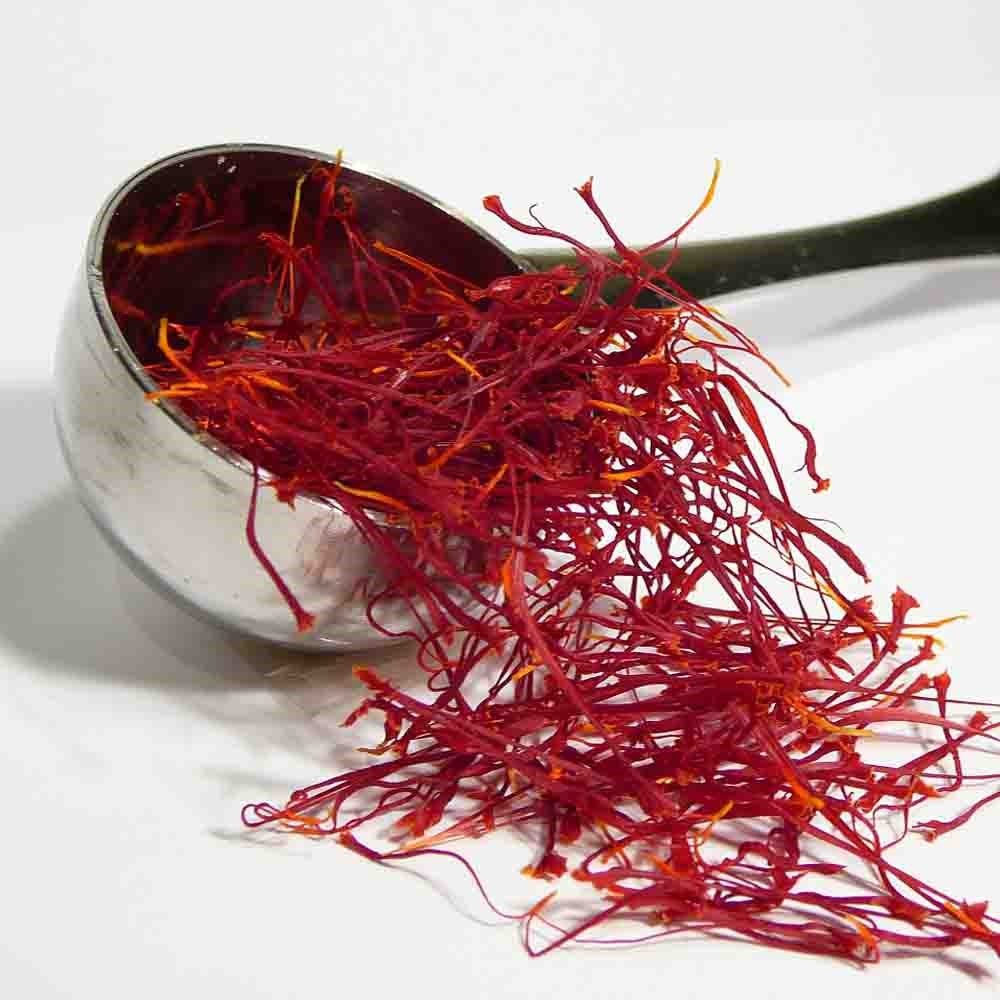
Saffron, often called the world’s most expensive spice, is cultivated from the delicate stigmas of the Crocus sativus flower. Due to its high market value, farmers and agribusinesses are increasingly investing in saffron cultivation. Understanding the saffron cultivation process is essential to achieve premium quality, maximize yield, and secure commercial success.
With proper techniques and careful management, saffron farming can become a profitable long-term venture in both domestic and international markets.
Climate and Soil Requirements for Saffron
Ideal Climate for Growth
Saffron thrives in regions with hot, dry summers and cold winters. The plant requires a dormancy period during summer to regenerate energy for flowering. Therefore, Mediterranean-like climates are optimal for cultivation.
Moreover, excessive rainfall or humidity can harm the delicate corms. Consequently, choosing well-drained land with good sunlight exposure is critical for successful saffron farming.
Soil Preparation
Well-drained, sandy or loamy soil with a pH range of 6 to 8 provides the best environment for saffron corms. Farmers often prepare raised beds to enhance drainage and prevent waterlogging.
Additionally, incorporating organic compost before planting improves soil fertility and encourages healthy growth. Proper soil preparation ensures strong flowering and high-quality stigmas.
Step-by-Step Saffron Cultivation Process
1. Selecting and Planting Corms
Saffron grows from underground bulbs called corms. High-quality, disease-free corms are essential for productive crops. Therefore, sourcing certified planting material is a critical first step.
Planting typically occurs in late summer or early autumn. Farmers place corms 10–15 cm deep and maintain proper spacing to allow root expansion. Correct spacing also improves airflow and reduces the risk of fungal infections.
2. Irrigation and Field Management
While saffron is drought-tolerant, light irrigation after planting stimulates root development. However, overwatering can damage corms and reduce yield.
Weed control is equally important because weeds compete for nutrients and sunlight. Many growers prefer manual weeding to protect delicate plants. As a result, careful field management directly influences flower quality and quantity.
3. Flowering and Harvesting
Saffron flowers bloom in autumn and last only 2–3 weeks. Harvesting must occur early in the morning when flowers are still closed to protect the delicate stigmas. Each flower produces three red stigmas, which are carefully handpicked.
This labor-intensive process explains saffron’s premium market price. Proper harvesting ensures maximum color, aroma, and flavor.
4. Drying and Storage
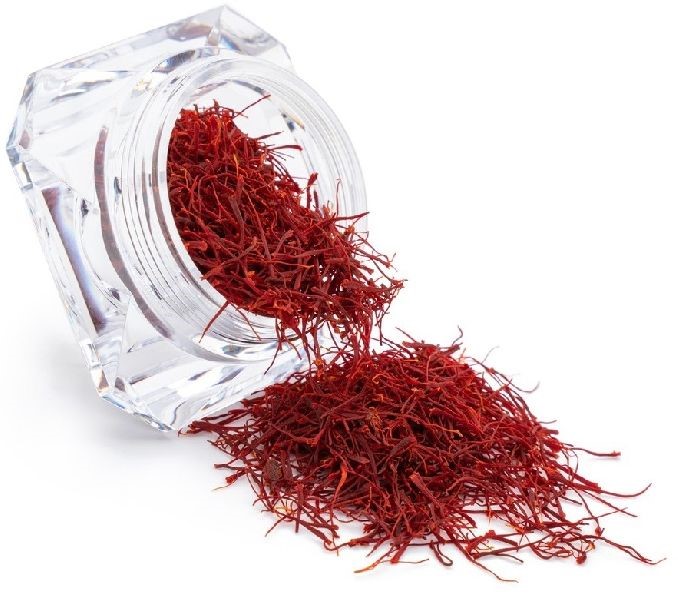
After harvesting, the stigmas are dried to preserve potency, aroma, and color. Controlled temperature drying prevents moisture damage and maintains premium quality.
Finally, saffron is stored in airtight, light-resistant containers. Proper storage preserves freshness for commercial sale and international export.
Commercial Opportunities in Saffron Farming
High-quality saffron commands premium prices in the culinary, cosmetic, and pharmaceutical industries. Farmers who implement proper cultivation, harvesting, and storage techniques can achieve long-term profitability.
Moreover, organic and sustainably sourced saffron adds marketing value for premium buyers. Retailers and exporters increasingly seek certified saffron, creating consistent demand and higher profit margins.
Conclusion
The saffron cultivation process requires careful planning, precise execution, and continuous monitoring. From selecting healthy corms to careful harvesting and controlled drying, each step impacts quality and market value.
By following these best practices, farmers and agribusinesses can produce premium saffron with superior aroma, color, and flavor. Ultimately, saffron cultivation offers a lucrative opportunity for those willing to invest in skill, labor, and strategic market positioning.