Benefits, Science, and Commercial Value in Modern Skincare
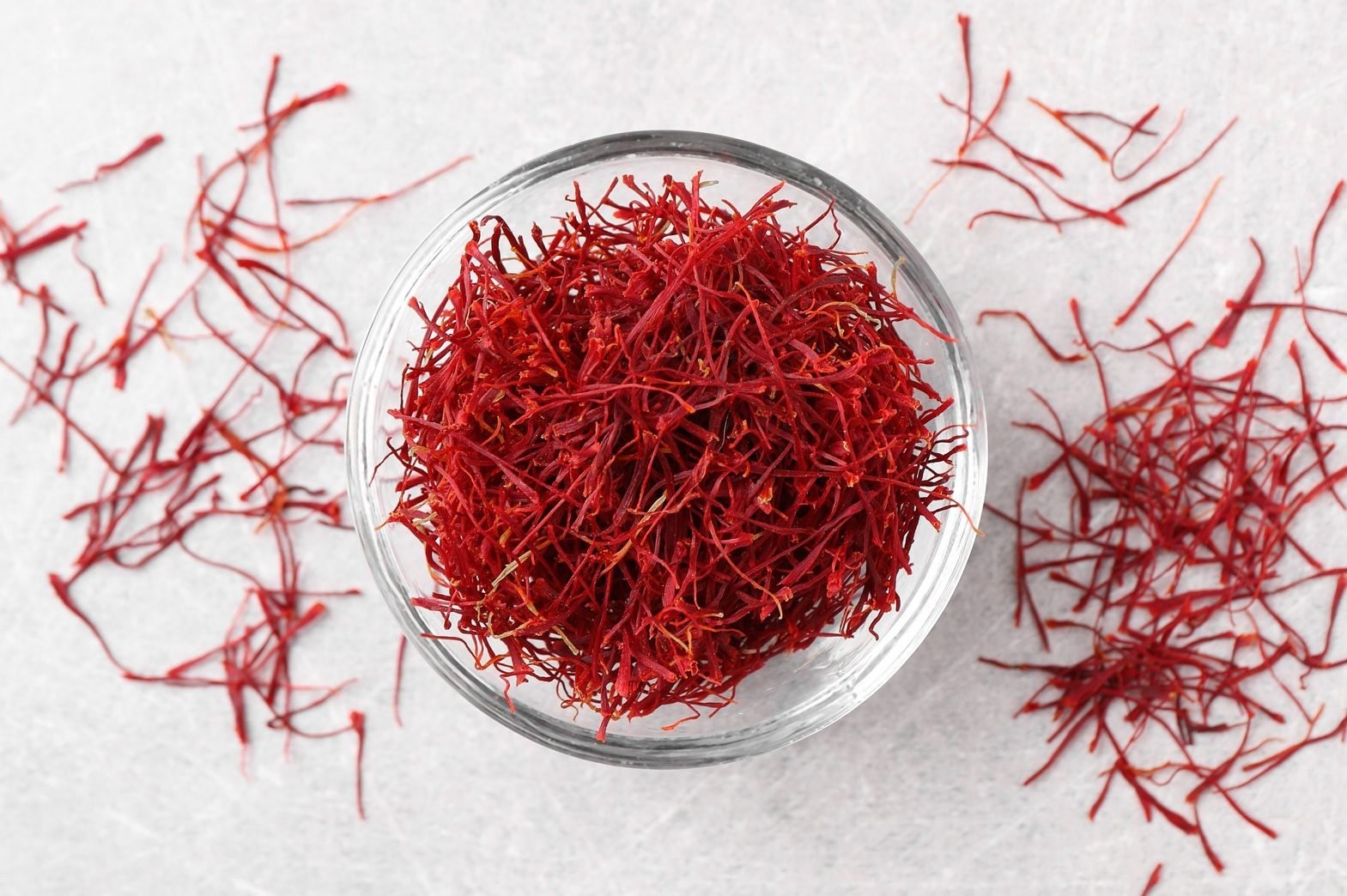
Saffron (Crocus sativus L.) is no longer limited to luxury cuisine. In recent years, it has become a high-value active ingredient in premium skincare, dermatology, and cosmetic formulations. Known as “red gold,” saffron offers powerful antioxidant, brightening, and anti-aging properties, making it a strategic ingredient for brands targeting high-end beauty markets.
According to global cosmetic industry data, the natural and botanical skincare market is growing at over 8% annually, with consumers actively seeking plant-based, clinically supported ingredients. Saffron stands out due to its rare bioactive compounds and centuries of medicinal use.
As a cosmetic chemist once stated:
“Few botanicals combine antioxidant strength, pigmentation control, and luxury perception like saffron.”
Why Saffron Is Valuable for Skin Care
Saffron contains unique bioactive molecules that directly influence skin health:
-
Crocin – antioxidant and brightening agent
-
Safranal – anti-inflammatory and antimicrobial
-
Picrocrocin – cellular protection and rejuvenation
These compounds work synergistically to improve skin tone, texture, and resilience, making saffron suitable for anti-aging, whitening, and sensitive-skin formulations.
Scientifically Proven Skin Benefits of Saffron
1. Skin Brightening and Hyperpigmentation Control
Saffron helps regulate melanin synthesis, which plays a critical role in:
-
Dark spots
-
Sun damage
-
Uneven skin tone
Clinical studies in cosmetic science journals report that crocin inhibits tyrosinase activity, the enzyme responsible for melanin production.
“Natural tyrosinase inhibitors like saffron are increasingly preferred over harsh chemical brighteners.”
This makes saffron a premium alternative to synthetic whitening agents.
2. Anti-Aging and Wrinkle Reduction
Saffron is rich in antioxidants that neutralize free radicals, a major cause of:
-
Fine lines
-
Wrinkles
-
Loss of elasticity
By protecting collagen and elastin fibers, saffron supports skin firmness and smoothness. In laboratory testing, saffron extracts demonstrated higher antioxidant activity than vitamin E in certain concentrations.
3. Anti-Inflammatory and Soothing Properties
Sensitive and acne-prone skin benefits from saffron’s anti-inflammatory action. Safranal helps calm:
-
Redness
-
Irritation
-
Mild inflammatory acne
This makes saffron suitable for dermocosmetic formulations designed for reactive or stressed skin.
4. Protection Against Environmental Damage
Urban pollution and UV exposure accelerate skin aging. Saffron’s photoprotective properties help reduce oxidative stress caused by:
-
UV radiation
-
Airborne pollutants
-
Blue light exposure
This has led to its inclusion in day creams, serums, and luxury sunscreens.
Saffron in Traditional and Modern Skincare
Historical Use of Saffron for Skin
Saffron has been used for centuries in:
-
Persian beauty rituals
-
Ayurvedic skincare
-
Traditional Chinese medicine
Ancient texts describe saffron as a complexion enhancer and skin purifier, often mixed with milk, honey, or herbal oils.
Modern Cosmetic Applications
Today, saffron is used in:
-
Anti-aging serums
-
Brightening creams
-
Facial masks
-
Eye contour products
-
Luxury soaps and oils
Its inclusion elevates both efficacy and brand positioning, especially in premium and organic product lines.
Commercial Importance of Saffron in the Beauty Industry
Market Value and Consumer Perception
Saffron is one of the most expensive cosmetic botanicals, costing significantly more than common plant extracts. However, consumers associate saffron with:
-
Luxury
-
Purity
-
Effectiveness
According to consumer behavior studies, products labeled with saffron extract can command 25–40% higher retail prices compared to similar formulations without it.
Target Markets for Saffron-Based Skincare
-
Luxury skincare brands
-
Natural and organic cosmetics
-
Anti-aging product lines
-
Middle Eastern and Asian beauty markets
Premium positioning allows brands to justify higher margins.
Formulation Considerations for Saffron in Skincare
Extraction Methods
High-quality skincare products use:
-
Hydroalcoholic extracts
-
CO₂ extraction
-
Standardized crocin-rich extracts
Proper extraction ensures bioavailability and stability of active compounds.
Concentration and Stability
Saffron is potent but sensitive to:
-
Light
-
Heat
-
Oxidation
Professional formulations include encapsulation technologies and stabilizers to preserve efficacy.
Safety and Dermatological Compatibility
Saffron is generally safe for topical use when properly formulated. Dermatological testing shows:
-
Low irritation potential
-
High skin tolerance
-
Suitable for long-term use
However, purity and grading are critical. Low-quality or adulterated saffron can reduce effectiveness.
Quality Standards and Trusted Resources
To ensure cosmetic-grade saffron quality, manufacturers rely on:
-
ISO 3632 standards
-
International Organization for Standardization (ISO)
-
FAO (Food and Agriculture Organization)
-
Cosmetic Ingredient Review (CIR)
-
ISO 17025 accredited laboratories
These organizations support quality control, safety assessment, and regulatory compliance.
Saffron vs Other Botanical Skin Ingredients
| Ingredient | Key Benefit | Market Position |
|---|---|---|
| Saffron | Brightening & anti-aging | Luxury |
| Turmeric | Anti-inflammatory | Mass premium |
| Aloe Vera | Hydration | Mass market |
| Rose Extract | Soothing | Premium |
Saffron’s rarity and performance place it firmly in the high-end cosmetic category.
Final Thoughts: Why Saffron Is a Strategic Skincare Ingredient
Saffron is not just a traditional remedy—it is a scientifically supported, commercially powerful skincare ingredient. Its ability to brighten, protect, and rejuvenate the skin makes it ideal for brands seeking natural luxury with proven results.
As one skincare brand director summarized:
“Saffron delivers what modern consumers want: visible results, natural origin, and an unmistakable sense of luxury.”