Unlocking the Power of the World’s Most Precious Spice
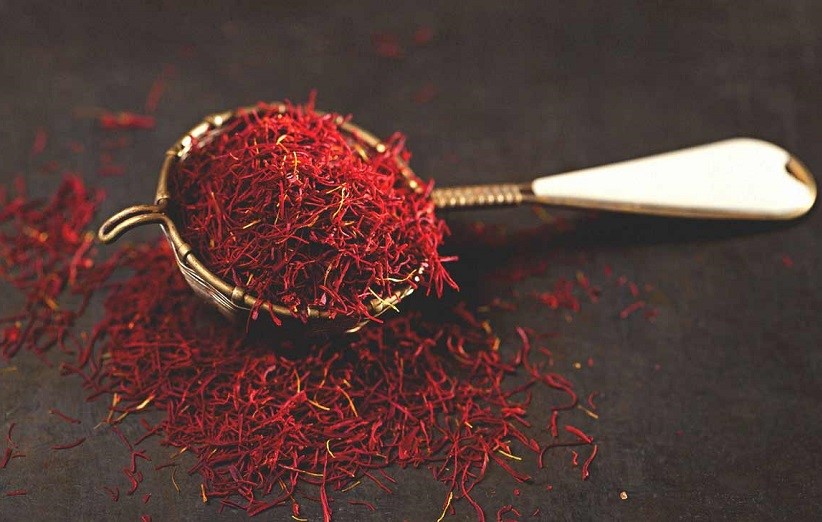
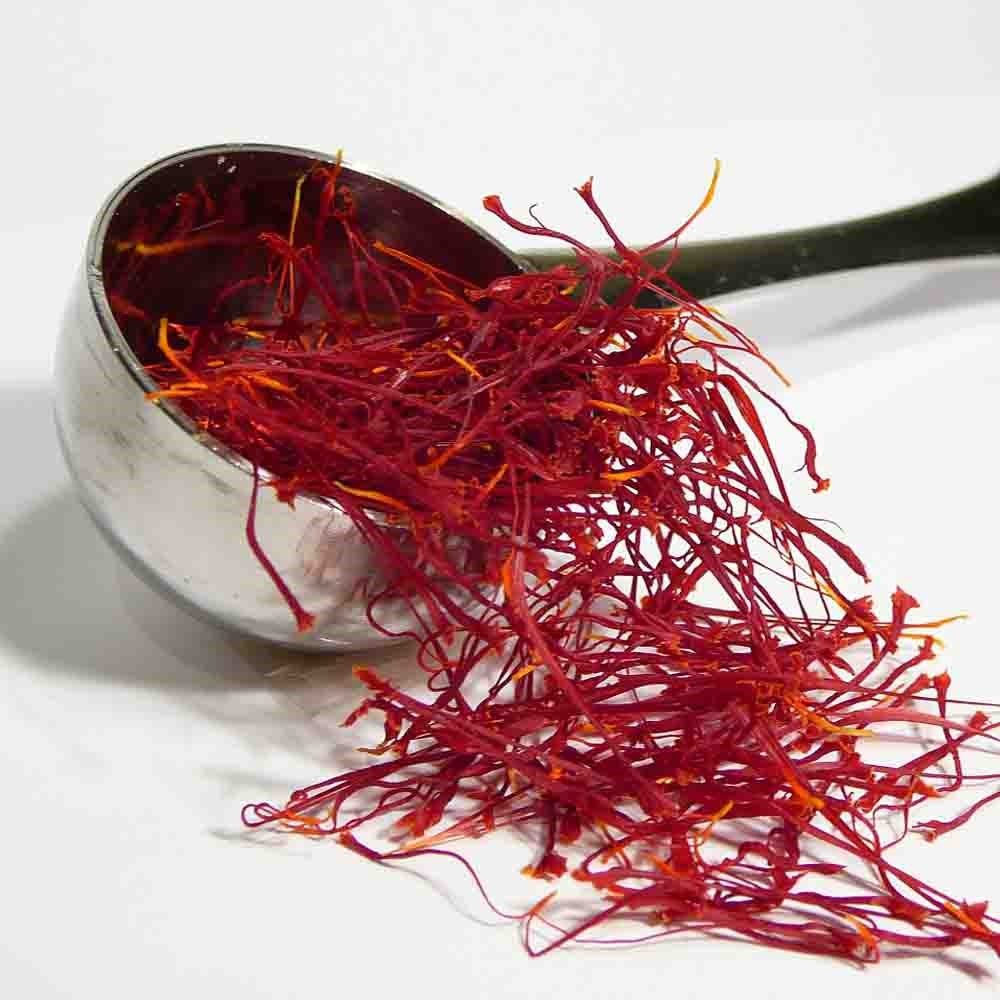
Saffron, derived from the stigmas of the Crocus sativus flower, ranks among the world’s most luxurious spices. Beyond its vibrant color and unique aroma, saffron offers a wide range of applications across culinary, medicinal, and cosmetic industries. As demand for natural and premium ingredients grows, understanding saffron uses helps businesses, chefs, and consumers maximize its value.
Whether in food, wellness, or beauty products, saffron delivers both functional and sensory benefits. Consequently, it has become a highly sought-after and versatile ingredient worldwide.
Culinary Uses of Saffron
Flavoring and Coloring Dishes
Chefs use saffron as a natural flavor enhancer and coloring agent in various cuisines. Its subtle floral aroma, slightly sweet taste, and golden hue elevate dishes like paella, risotto, biryani, and seafood recipes.
Additionally, saffron enhances desserts, milk-based drinks, and pastries. Because a few threads provide intense flavor, it remains cost-effective while delivering a luxurious touch to culinary creations. Moreover, using high-quality saffron ensures consistent aroma and color, which is critical for commercial food products.
Enhancing Beverages
Beverage brands increasingly infuse saffron into teas, lattes, and health drinks. When steeped in milk or herbal infusions, saffron releases its signature flavor and antioxidants. As a result, cafes and health-focused brands incorporate saffron to attract consumers seeking premium, natural ingredients.
Furthermore, saffron pairs well with complementary flavors like cardamom, honey, and rose water, enhancing both taste and market appeal.
Medicinal and Wellness Uses
Natural Antioxidant and Mood Support
Saffron contains bioactive compounds such as crocin, safranal, and picrocrocin, which act as strong antioxidants and support overall health. Additionally, consuming saffron may improve mood and promote relaxation, making it ideal for wellness drinks, teas, and supplements.
Digestive and Immune Support
Traditionally, people use saffron to enhance digestion and strengthen the immune system. Its natural anti-inflammatory and antibacterial properties further support these benefits. Consequently, herbal and functional food products increasingly feature saffron to deliver wellness advantages naturally.
Cosmetic and Skincare Uses
Skin Brightening and Anti-Aging
Beauty brands integrate saffron into creams, serums, face masks, and oils. Its antioxidants protect skin from environmental damage, while its natural compounds improve radiance and even skin tone. Therefore, saffron enhances both product effectiveness and market appeal.
Moreover, its luxurious reputation allows brands to position products in the premium segment. For example, high-end serums with saffron command higher price points while delivering visible skin improvements.
Soothing and Healing Benefits
Saffron also calms irritated skin and reduces inflammation. In addition, combining saffron with ingredients like aloe vera and almond oil creates soothing, luxury skincare products suitable for sensitive skin and spa treatments. As a result, saffron cosmetics continue to grow in demand worldwide.
Commercial Opportunities for Saffron
Saffron’s versatility offers significant commercial potential. Food brands, wellness companies, and cosmetic manufacturers actively seek high-quality saffron for flavor, health benefits, and luxury appeal.
By sourcing premium saffron and incorporating it into culinary, wellness, and cosmetic products, businesses attract discerning consumers and command higher prices. Additionally, sustainably and ethically sourced saffron strengthens brand credibility in global markets.
Conclusion
Saffron delivers flavor, aroma, and health benefits across food, wellness, and beauty products. High-quality saffron elevates dishes, supports wellness routines, and enhances luxury skincare, making it a profitable and versatile ingredient.
Therefore, investing in premium saffron and applying it strategically ensures superior product performance and commercial success. With global demand continuing to grow, saffron remains one of the most valuable and marketable spices today.